
 EN
EN
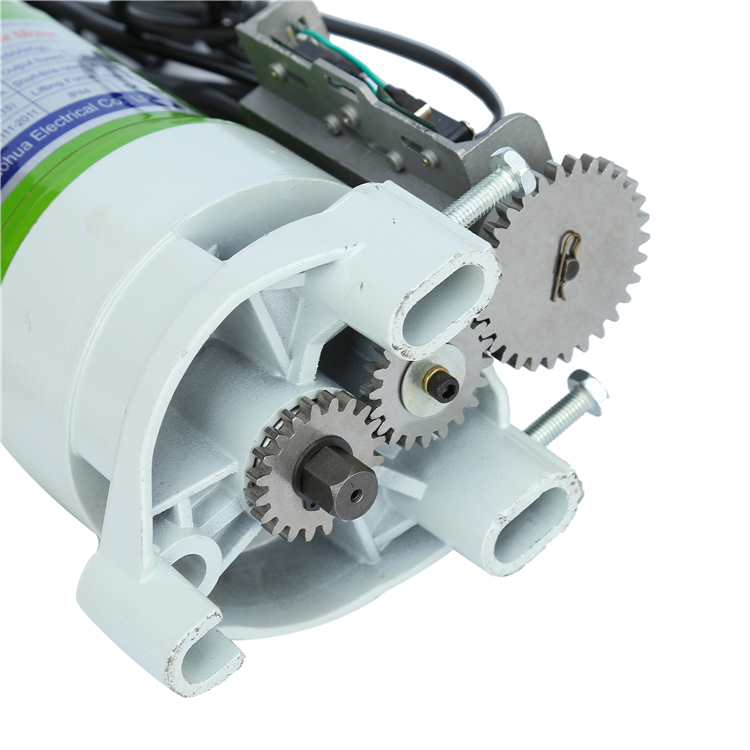
Common Applications of the 110V Motor in Consumer and Light Industrial Use
HVAC Accessories and Portable Climate Control Devices
Portable air conditioners, dehumidifiers, duct fans, and those mobile evaporative coolers all commonly rely on 110V motors these days. What makes these motors so convenient? They work right off regular household outlets, which means no need to hire an electrician or install special circuits when setting up in homes, offices, server rooms, or even temporary setups. These motors handle both fans and compressors pretty well too, helping maintain just the right amount of moisture in basements while providing focused cooling where standard HVAC systems simply can't reach. The fact that they run on lower voltage also means there's less chance of getting shocked around water sources, which explains why they show up so often in places like greenhouses, workshops, and busy commercial kitchens. Plus their small size lets them fit neatly inside window AC units and other compact climate control gadgets, giving folks good localized cooling without dealing with complicated electrical hookups.
Kitchen Appliances and Food-Service Automation
From home kitchens to professional environments, 110V motors keep countertop appliances running smoothly. Stand mixers, blenders, and food processors all rely on these motors to deliver enough power for tough jobs such as kneading dough or crushing ice, yet still fit within standard 15 to 20 amp circuits found in most buildings. When it comes to food service operations, these same motors help move things along in smaller bakeries where conveyor belts transport pastries through production lines, and even power those coffee bean grinders we see at local cafes every morning. The good news is manufacturers have made significant strides in recent years regarding safety certifications too. Most modern 110V motors carry NSF/UL approvals which means they pass strict tests for both cleanliness around food prep areas and electrical safety when exposed to moisture. Perhaps most importantly though, newer versions actually save money over time. Contemporary models now use roughly 30 percent less electricity compared to older ones when running continuously throughout shifts. This matters a lot for equipment like exhaust fans above cooking stations or refrigeration units that need to stay operational day after day without breaking down.
Core Advantages of the 110V Motor for Safe and Efficient Operation
Inherent Electrical Safety in Damp or Uncontrolled Environments
These motors run on 110 volts, which is way under the dangerous 150V mark where shock risks jump dramatically. According to studies published in electrical safety journals, this lower voltage cuts down the chance of deadly electrocution by about two thirds when compared to standard industrial power levels. That's why they work so well in places where there might be water around or conditions aren't always controlled, like inside meatpacking plants, on construction sites, in those little workshop trailers people drag around job sites, and even outdoors where rain is a constant concern. Most units come with sealed housing that meets at least IP54 standards, meaning they can handle dust getting in and will keep running if sprayed with water from a garden hose type situation. This matters because sparks inside the motor could set off explosions if there are flammable materials nearby. The wiring is also simpler than traditional setups, making it much harder for installers to mess things up when setting up equipment quickly in temporary locations or remote worksites.
Energy Efficiency and Reliable Performance at Low to Medium Loads
Most 110V motors work best when they're not running at full capacity all the time. That's actually where they shine for everyday appliances and smaller industrial equipment. These motors have been designed so they convert around 90 percent of their input power into actual work, which means less wasted energy turning into heat and lower bills month after month. Big motors tend to get inefficient and run hot when they're just sitting there doing light work, but 110V models stay cool thanks to built-in temperature controls. What really matters is how these motors handle different loads. They can still deliver about 85% of their maximum torque even when workload drops between 30 and 70 percent. This makes them reliable partners for machines that stop and start constantly like those on packaging lines, conveyor belts, or dispensing systems throughout factories and warehouses.
How to Select the Right 110V Motor for Your Application
Picking the right 110V motor means matching specs to what actually happens on the job site. Start with torque calculations first - figure out how much force is needed in pound feet or Newton meters, remembering that many systems need three times their normal torque when starting up. Speed matters too, so check those RPM requirements carefully. Then look at where the motor will be installed. Does it face extreme temperatures? Will it get wet or dusty? Some environments require special protection against cleaning chemicals or food products. That's where IP ratings come into play. For food processing equipment that gets washed down regularly, go with at least IP55 rating. Outdoor HVAC units typically need IP66 protection. Duty cycles are another important factor. Garage door motors only run occasionally, so standard efficiency models work fine there. But for things that run constantly like refrigeration compressors or HVAC components, investing in IE3 class motors pays off in lower energy bills long term. Don't forget about physical fit either. Shaft size, mounting type (C-face vs foot mounted), and how well it handles vibrations all need to match the existing setup. And always check if the motor has thermal overload protection built in to prevent damage from overheating during extended operation.
FAQ
What are the benefits of using 110V motors in portable climate control devices?
110V motors are convenient because they can run from regular household outlets, eliminating the need for electrician services or special circuits. They are efficient and suitable for areas where standard HVAC systems cannot reach, and their lower voltage makes them safer to use around water sources.
How do 110V motors contribute to energy efficiency in kitchen appliances?
110V motors have been upgraded to use approximately 30% less electricity compared to older models. They work efficiently within standard circuits, offering savings over time for continuous operation appliances such as refrigeration units and exhaust fans.
Why are 110V motors considered safe in damp or uncontrolled environments?
These motors operate under the critical 150V shock risk level, reducing electrocution chances significantly. Their sealed housing meets IP54 standards to resist dust and spray from water, making them suitable for moist and uncontrolled settings.
How can you choose the right 110V motor for your application?
Match the motor to job requirements by considering torque, speed, installation conditions (temperature, moisture, chemical exposure), IP ratings, duty cycles, physical fit, and thermal overload protection features.