
 EN
EN
How Curtain Motors Cut HVAC Energy Use Through Intelligent Shading
Thermal Impact of Automated Curtain Operation on Heating and Cooling Loads
Smart curtain systems can actually cut down on HVAC energy costs by controlling how much sun heat gets into buildings. When summer rolls around, these motorized shades automatically shut during those hot midday hours, stopping about 94 percent of the sun's heat from coming inside. That keeps spaces from getting too warm and means air conditioners don't have to work so hard. Come winter time, the same system opens up during the day to let in free solar warmth, which research from universities shows can cut heating needs by roughly a quarter. Looking at thermal images makes it clear why automated control works better than people manually adjusting blinds. Buildings stay at more consistent temperatures throughout the day, and this reduces stress on heating and cooling systems by somewhere between 18 and 30 percent. The result? Less wasted energy all year long as buildings adapt naturally to seasonal changes without human intervention.
Empirical HVAC Load Reduction: Insights from DOE and ASHRAE Research
Research into real world applications has shown that adding motorized shading can really cut down on HVAC costs. According to studies backed by the Department of Energy, office buildings typically see around 15 to 25 percent less cooling usage when smart shades work together with temperature monitoring devices. The American Society of Heating, Refrigerating and Air-Conditioning Engineers also found something interesting: when curtain motors sync up with building control systems, they actually reduce the highest points of HVAC demand by about 19%. This happens because the system doesn't have to work so hard against those sudden heat waves caused by sunlight coming through windows. And for buildings that schedule shade operation based on actual occupancy patterns, motor activity drops by roughly 22% overall. These numbers make it pretty clear that smart shading solutions significantly cut down on total energy use throughout regular operations.
Daylight Harvesting and Lighting Energy Savings Enabled by Curtain Motors
Optimizing natural light with motorized curtains to reduce artificial lighting demand
Curtain motors allow for automatic adjustments to window coverings based on sensors, letting in more natural light while cutting down on glare problems. These systems work together with light sensors and building controls to move curtains just right so spaces stay well lit all day long. The whole point is to capture as much daylight as possible, which means less need for electric lights, particularly around the edges of buildings where sunlight tends to be strongest. When there's enough natural light coming through windows, the smart systems will either lower brightness or turn off the overhead lights completely. Lighting takes up about 17 percent of power used in commercial buildings according to recent data from the U.S. Department of Energy. So by automating these curtain movements precisely, companies can save real money on their energy bills without making workplaces uncomfortable or causing extra strain on air conditioning systems during hot weather.
Real-world validation: 23% lighting energy reduction in a LEED-certified office retrofit
An office building that got its LEED Gold certification showed just how much difference integrated curtain motors can make. When combined with sensors for daylight detection and room occupancy, these systems cut down on yearly lighting energy use by about 23 percent. The setup worked through a mixed approach really. Curtain positions changed as needed depending on how bright it was outside, while occupancy sensors controlled whether lights stayed on or off. This helped maintain good performance throughout all four seasons. On west facing walls, the curtains would drop down automatically during those brightest parts of day to stop harsh glare from coming in, yet still let plenty of useful natural light inside. Looking at data collected over twelve months showed the biggest savings actually happened in those transitional periods between winter and summer, when days are getting longer but not too long yet. People working there reported better overall comfort too, mentioning less annoying reflections on computer screens. So curtain motors aren't just about saving money on electricity bills they also contribute to making buildings more pleasant places to spend time in.
Net Energy Balance: Curtain Motor Power Draw vs. System-Wide Savings
Typical power consumption profiles of modern curtain motors (standby, active, peak)
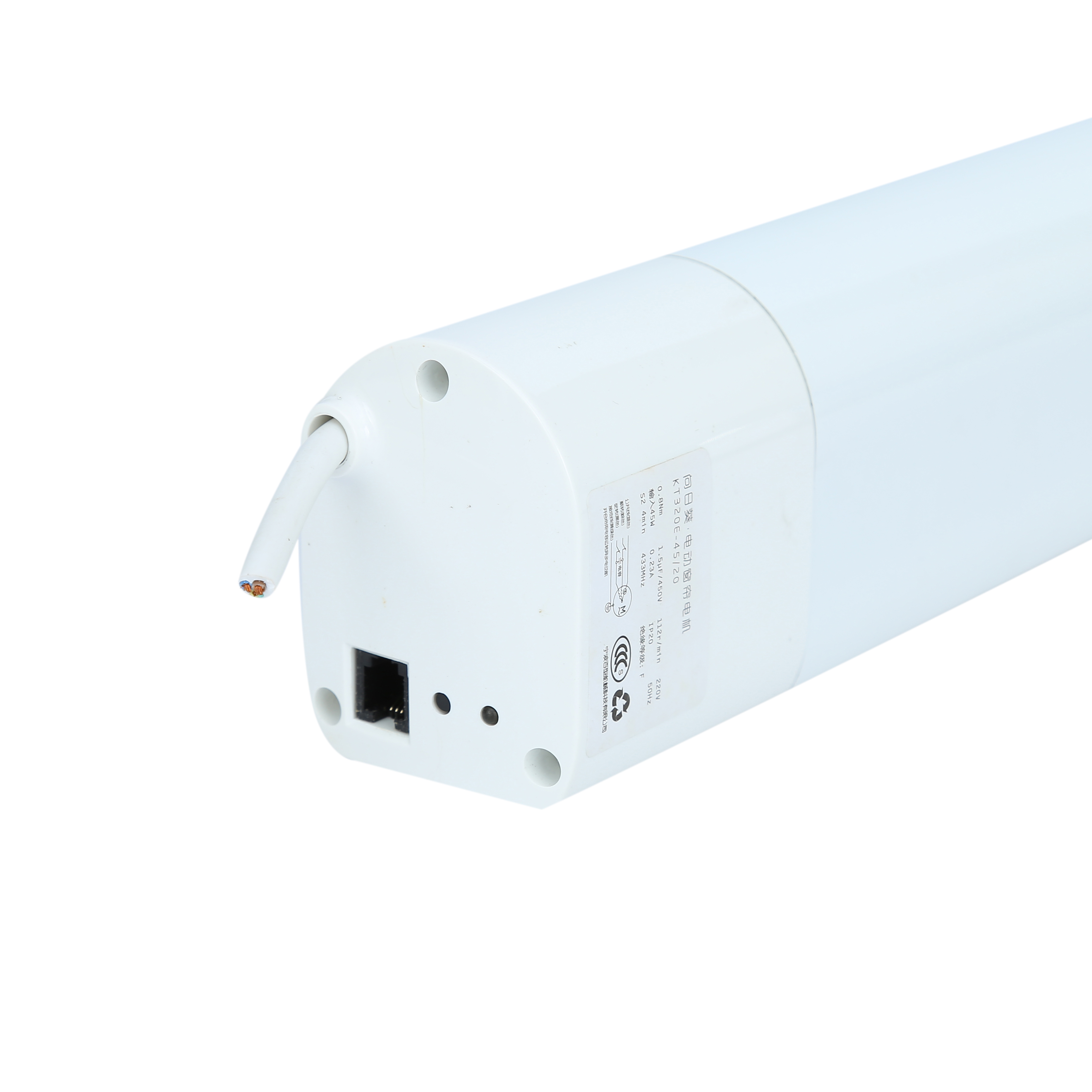
Curtain motors these days typically work through three different power states. When they're on standby, they pull in less than half a watt, which is basically what's needed to keep those smart features connected. The actual movement part uses between 15 to 25 watts, depending on how heavy the curtains are and how far they need to move. There's also these short bursts of power spikes when the motor starts up, sometimes reaching around 40 watts as it fights against the initial resistance of the fabric. Most importantly though, the motors don't run for very long each day, usually no more than ten minutes total. That means each motor probably only uses somewhere between 0.05 and 0.1 kilowatt hours every single day, which isn't really that much when you think about it.
Comparative efficiency of smart protocols: Wi-Fi, Zigbee, and Bluetooth curtain motors
The choice of communication protocol really makes a difference when it comes to how much energy gets used. Take Wi-Fi motors for instance they eat up around 30 to maybe even 50 percent more power just sitting there in standby compared to Zigbee or BLE options because their radios work so hard all the time. Zigbee has this cool mesh network thing going on which cuts down on active state power usage by about 40% in buildings with multiple motors running simultaneously. And let's not forget about BLE technology that shines particularly bright in devices powered by batteries since it draws only tiny amounts of current when sleeping. Real world testing shows that when these smarter protocols get integrated properly into building systems alongside automation controls, we're seeing somewhere between 18 and 20% savings on heating ventilation air conditioning costs according to recent research published last year in what everyone's calling the 2024 HVAC Optimization Study. These numbers matter a lot for facility managers looking to cut expenses while staying green.
FAQ
What are the benefits of using smart curtain systems for HVAC energy efficiency?
Smart curtain systems help in reducing HVAC energy costs by controlling the amount of sun heat that enters buildings. In summer, they close during the hottest parts of the day to prevent excessive heat, and in winter, they open to allow free solar warmth in, thereby lowering heating needs.
How much can HVAC demand be reduced with motorized shading?
Studies indicate that motorized shading can reduce HVAC cooling usage by 15 to 25 percent. When integrated with building control systems, they can lower the peak HVAC demand by about 19% and reduce motor activity by roughly 22%.
How does daylight harvesting work with curtain motors?
Daylight harvesting with curtain motors involves using sensors to automatically adjust window coverings to optimize natural light, reducing the need for artificial lighting. This leads to significant savings on lighting energy costs, especially during daylight hours.
What is the typical power consumption of modern curtain motors?
Modern curtain motors generally consume less than half a watt in standby mode, between 15 to 25 watts during active movement, and can have peak power spikes up to 40 watts. However, since they operate only for short periods daily, the overall energy use remains low.
Are different communication protocols used for curtain motors and do they impact energy efficiency?
Yes, different protocols such as Wi-Fi, Zigbee, and Bluetooth are used, each impacting energy efficiency differently. Wi-Fi consumes more power in standby compared to Zigbee and Bluetooth, while Zigbee reduces active power usage by about 40% due to its mesh network capability.
Table of Contents
- How Curtain Motors Cut HVAC Energy Use Through Intelligent Shading
- Daylight Harvesting and Lighting Energy Savings Enabled by Curtain Motors
- Net Energy Balance: Curtain Motor Power Draw vs. System-Wide Savings
-
FAQ
- What are the benefits of using smart curtain systems for HVAC energy efficiency?
- How much can HVAC demand be reduced with motorized shading?
- How does daylight harvesting work with curtain motors?
- What is the typical power consumption of modern curtain motors?
- Are different communication protocols used for curtain motors and do they impact energy efficiency?