
 EN
EN
Understanding Steel Rack Systems and Their Role in Modern Warehousing
The evolution of steel rack storage solutions in warehouse operations
Steel rack systems these days are nothing like the simple shelves we used to see back in the day. They've become pretty smart actually, working as high performance storage solutions for warehouses everywhere. Some research published last year showed that new steel alloys can hold almost half again what those old 90s racks could manage. Makes sense really when you think about how warehouses need to handle bigger loads nowadays. The industry is moving fast towards automation too, which explains why top manufacturers are starting to build in things like weight sensors connected to the internet of things (IoT) and creating modular setups so they can track inventory on the fly and adjust storage space as needed.
Core types of steel rack systems: Selective, pallet, and specialized configurations
- Selective racks: Provide direct access to each pallet, ideal for high-turnover SKUs
- Pallet flow racks: Use gravity-fed lanes to enable FIFO (first-in, first-out) inventory rotation
- Specialized hybrids: Include cantilever racks for long or irregular items like pipes and lumber
Hybrid configurations are now used in 78% of Fortune 500 warehouses, offering a strategic balance between storage density and operational accessibility.
Why steel racks remain the backbone of scalable warehouse storage
Steel is really tough stuff, and warehouse racks made from it can stick around for decades, sometimes even 30 to 50 years before needing replacement. What makes steel special compared to other materials like wood or aluminum? Well, it handles vertical stacking way better. Most warehouses need to stack things high these days, right? Steel racks can go up to around 45 feet tall without bending much at all when fully loaded. We're talking less than 1% deflection which is pretty impressive. That kind of strength matters a lot when companies want to switch from old fashioned manual systems to automated ones. The ability to grow and change with business needs means steel remains a top choice for warehouses looking to future proof their storage solutions against whatever comes next in the ever changing world of supply chain management.
Maximizing Vertical Space Utilization with Steel Racking
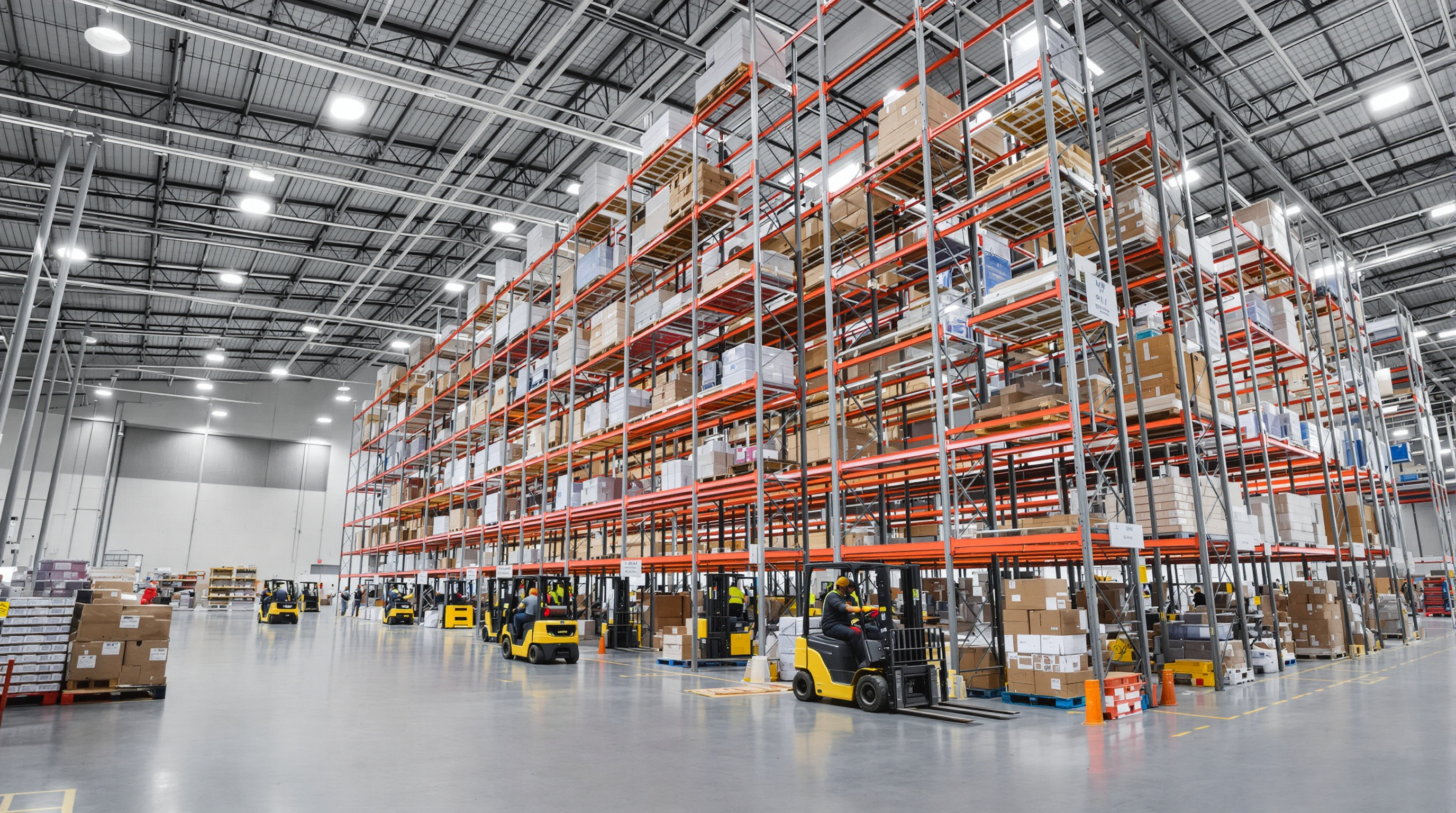
The Advantages of Vertical Space Optimization in Warehouse Design
When warehouses focus on making better use of vertical space instead of just spreading out horizontally, they can actually double or even triple their storage capacity without needing more land. The secret weapon here is steel racking systems that turn those empty spaces above into valuable storage areas. Facilities report being able to fit between one and a half to three times as much stuff in the same amount of floor space. And let's talk numbers for a second - companies save anywhere from eighteen to twenty five dollars per square foot each year on rent alone. Plus, workers still get easy access to what they need without having to dig through layers of boxes or wander across vast warehouse floors looking for something specific. This makes a lot of sense when we think about how expensive commercial real estate has become lately.
Comparing Load Capacity and Floor-to-Ceiling Efficiency Across Steel Rack Designs
| Rack Type | Max Height (ft) | Load Capacity per Tier | Access Efficiency |
|---|---|---|---|
| Selective Pallet | 40 | 500–5,000 lbs | Full SKU access |
| Drive-In/Drive-Through | 35 | 8,000–12,000 lbs | Bulk pallet FIFO |
| Pallet Flow | 30 | 4,000–6,000 lbs | High-density LIFO |
Selective racks offer the best accessibility for fast-moving inventory, while drive-in systems deliver 25–35% greater volumetric efficiency for deep, bulk storage.
Case Study: Achieving 40% Higher Storage Density Through Vertical Racking
A Midwest food distributor increased storage capacity by 38% by retrofitting its 18-foot facility with 5-tier steel racks. Consolidating 12,000 pallet positions into a vertical cube layout reduced forklift travel distances by 22% and cut monthly energy costs by $4,200 through improved air circulation and lighting efficiency.
Safety and Structural Considerations in High-Rise Steel Rack Installations
High-rise steel racks require engineered seismic bracing and load distribution plates to prevent catastrophic failures, which can exceed $740,000 in damages (Warehouse Safety Report 2023). Facilities with racks over 30 feet tall report 73% fewer accidents when using:
- Beam deflection monitoring sensors
- Annual load capacity recertification
- Aisle width calibration for WMS-guided forklifts
Proper alignment with HVAC systems also reduces condensation-related corrosion by 41%, extending rack lifespan and maintaining structural integrity.
High-Density Steel Rack Solutions for Efficient Inventory Management
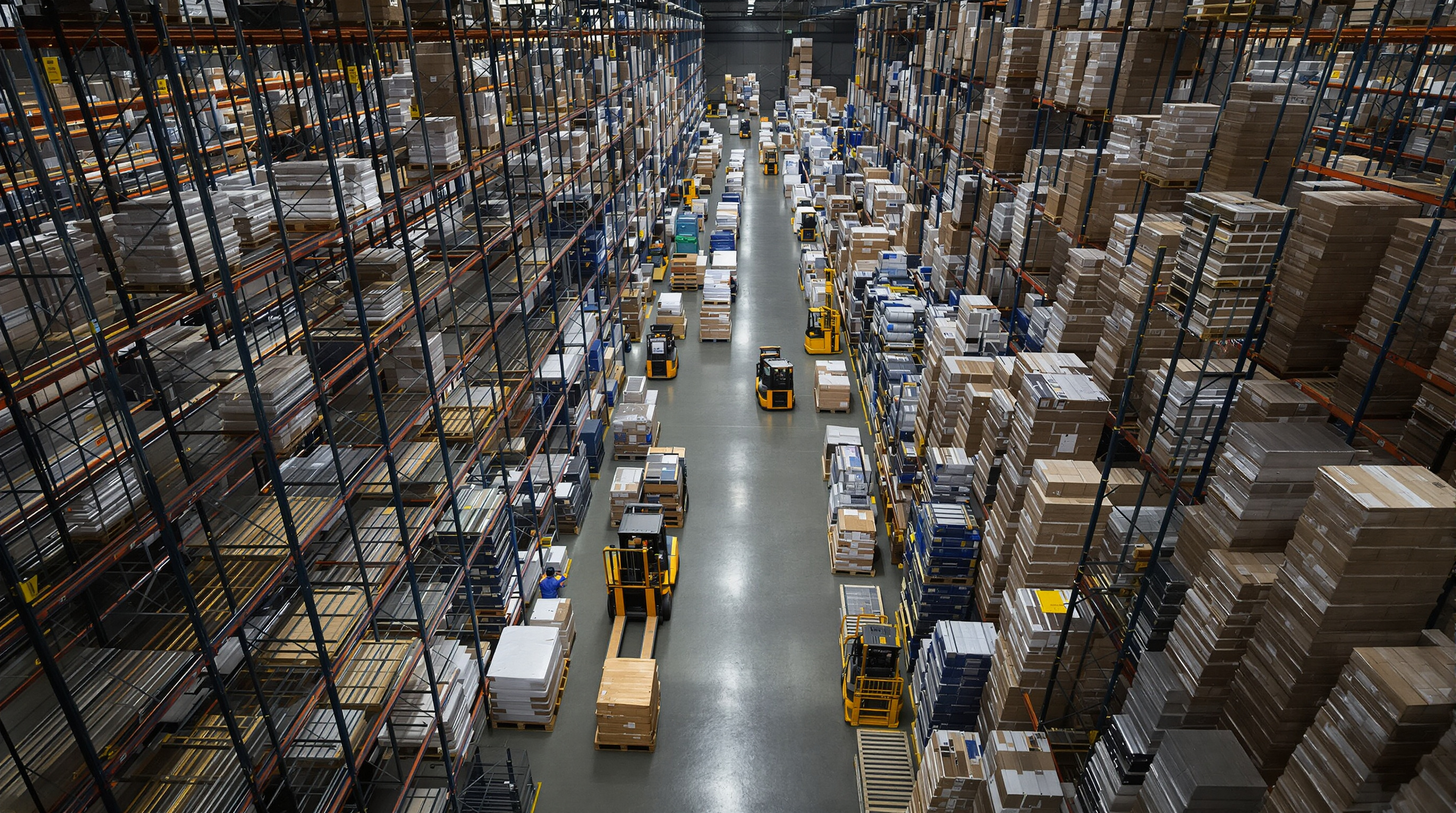
Drive-in and drive-through racking: Ideal for bulk, low-turnover inventory
Drive in racking cuts down on those wasted aisles because forklifts can actually go right into the racks themselves. This setup gives about 75% more space for storing similar items according to Material Handling Institute data from last year. Warehouse managers love these systems especially when dealing with frozen goods or products that only sell during certain seasons since nobody needs to grab stuff randomly all day long. There's also drive through versions which let trucks load from both ends making things more flexible but they take up around 10 to 15 percent less space than regular single entry racks. Still worth considering if operations need that extra maneuverability despite the trade off in storage capacity.
Push-back and pallet flow systems: Balancing storage depth with FIFO/LIFO needs
Push back racking systems work with those nested carts running along angled tracks, allowing storage of around 2 to 5 pallets in depth. They support that last in first out approach which saves about 40% of aisle space when compared against traditional selective rack setups. For products where freshness matters a lot, pallet flow systems are the way to go. These setups rely on gravity powered rollers so items move forward automatically following first in first out principles. That makes all the difference for perishables such as dairy products or medications with strict shelf life requirements. The newer generation of hybrid storage solutions takes things further by letting warehouses configure different depths from 3 up to 8 pallets inside one bay area. This flexibility handles situations where multiple types of inventory need to coexist within the same storage location without compromising accessibility.
Evaluating the trade-off between storage density and retrieval speed
High-density configurations increase storage capacity by 50–80% but typically add 12–25% to retrieval times, based on forklift pathway simulations. These delays are mitigated through advanced warehouse management systems that employ:
- Dynamic slotting algorithms to place fast-moving SKUs in accessible zones
- RFID-guided forklifts that reduce search time by 30% in deep lanes
- Modular rack designs that allow reconfiguration as inventory needs shift
Optimized facilities achieve 92% space utilization while maintaining average retrieval times under two minutes.
Improving Operational Efficiency Through Strategic Steel Rack Deployment
Optimizing warehouse layout to reduce handling time and congestion
Putting steel racks in smart locations around the warehouse really makes a difference for workflow efficiency. When companies put their fast moving items close to where they pack and ship stuff, everything just moves faster. Warehouses that use ABC analysis actually see better results. This method focuses on those top 20% of products that account for most of the orders, following what's called the Pareto Principle. Some places report almost 18% improvement in processing times after implementing this approach. The modular nature of modern rack systems means they can be rearranged quickly when seasons change or demand fluctuates. Standardizing bay sizes across the facility also helps keep things from getting backed up during busy periods, which is critical during holiday rushes or other peak times.
Integrating forklift pathways and rack placement for seamless operations
Narrow-aisle racking with 96-inch clearances optimizes space without compromising forklift maneuverability. Cross-docking setups using cantilever racks near loading docks reduce internal transport by 37%. Placing heavier loads on lower beams—known as load-aware rack positioning—reduces lift cycle times by 12% and extends forklift lifespan through reduced strain.
Measurable gains: 25% improvement in picking efficiency post-rack reconfiguration
A Midwest 3PL provider improved order fulfillment speed by 27% after implementing:
- Wave-picking zones with gravity flow racks
- Vertical carousels for small parts at packing stations
- RFID-enabled rack bays that cut search times by 40%
Post-implementation data showed a 19% reduction in labor hours per pallet handled, demonstrating the strong ROI of strategic rack optimization.
Safety, Customization, and Future-Ready Steel Shelving Systems
Enhancing Warehouse Safety with Engineered Steel Rack Structures
Steel storage racks today come equipped with all sorts of safety upgrades that really make a difference on the job site. Things like earthquake anchors, those tough column guards that stand up to impacts, and barriers that stop forklifts from crashing into them have cut down accidents by almost 40% according to recent industry reports (the ANSI MH16.1-2023 standards folks were talking about). The better quality systems actually have sensors built right into them that will flash warnings when loads get too heavy, which helps managers keep things running smoothly. And don't forget about the galvanized coating stuff either it stops rust from eating away at the metal over time. Companies that switched to these newer rack systems saw their insurance bills drop quite a bit too about half as many claims compared to places still using old school equipment from years back.
Custom vs. Standardized Steel Rack Solutions: Flexibility for Diverse Inventory Needs
Most warehouses with regular inventory find that standard pallet racks work just fine for them, covering around three quarters of all storage needs at a reasonable price point and easy installation. But when dealing with those tricky situations where SKUs come in odd sizes or there's a mix of different loads coming through, something off the shelf just won't cut it. Modular options do save money compared to completely custom builds, maybe somewhere between 15 to 20 percent on average. Still, going fully customized pays dividends for places that store big bulky stuff or oddly shaped products, often squeezing out an extra 40% worth of usable space that would otherwise go wasted.
Emerging Trends: AI-Driven Simulations for Optimal Steel Rack Layout Planning
Modern AI tools can simulate warehouse rack arrangements by considering around twelve different factors like how forklifts move around, what products sell best during certain seasons, and which items get moved most frequently. These simulations help predict how well space is being used with pretty impressive accuracy, somewhere close to 99%. Companies that started using these systems early on have seen their restocking times cut down by roughly forty percent, plus there's been about a quarter reduction in damaged goods. Combine these AI systems with internet-connected weight sensors and suddenly warehouses become smart storage hubs. The shelves automatically change height and rearrange loading areas as inventory levels shift throughout the day, making the whole operation much smoother and efficient.
FAQ
What are the main types of steel rack systems used in warehouses?
The main types of steel rack systems include selective racks, pallet flow racks, and specialized hybrids like cantilever racks. Each type serves different storage needs based on load accessibility and inventory rotation requirements.
Why is steel preferred over other materials for warehouse racks?
Steel is preferred because of its durability, ability to handle high vertical stacking, and longevity compared to other materials like wood or aluminum. Steel racks can reach heights of up to 45 feet with minimal deflection, making them suitable for high-density automated warehousing.
How do steel racks help optimize vertical space in warehouses?
Steel racks optimize vertical space by allowing warehouses to utilize the often unused space above, effectively increasing storage capacity without expanding the footprint of the building. This vertical optimization also results in significant cost savings on real estate.
What safety features are important for high-rise steel rack installations?
High-rise steel rack installations require engineered seismic bracing, load distribution plates, and beam deflection monitoring sensors. Proper planning and alignment with HVAC systems also extend the lifespan and structural integrity of the racks.
How can strategic rack deployment improve warehouse efficiency?
Strategic rack deployment enhances efficiency by optimizing warehouse layout, reducing material handling time, and minimizing congestion. Techniques like ABC analysis, wave-picking zones, and modular rack designs play a critical role in streamlining operations.
What emerging trends should warehouses consider for steel rack systems?
Emerging trends include the use of AI-driven simulations for optimal layout planning, and integration of IoT weight sensors for dynamic inventory adjustments, transforming warehouses into smart, efficient storage hubs.
Table of Contents
- Understanding Steel Rack Systems and Their Role in Modern Warehousing
- Maximizing Vertical Space Utilization with Steel Racking
- High-Density Steel Rack Solutions for Efficient Inventory Management
- Improving Operational Efficiency Through Strategic Steel Rack Deployment
- Safety, Customization, and Future-Ready Steel Shelving Systems
-
FAQ
- What are the main types of steel rack systems used in warehouses?
- Why is steel preferred over other materials for warehouse racks?
- How do steel racks help optimize vertical space in warehouses?
- What safety features are important for high-rise steel rack installations?
- How can strategic rack deployment improve warehouse efficiency?
- What emerging trends should warehouses consider for steel rack systems?