
 EN
EN
The Role of Sliding Gate Operators in Industrial Automation and Security
The Rise of Automation in Industrial Access Control
More and more industrial plants are turning to automated gates these days for better control over who comes and goes, cutting down on mistakes made by people, and getting things moving faster through the facility. According to the Industry Automation Report from last year, around two thirds of all manufacturing locations already had some form of automated access system in place by mid 2023. Sliding gate operators are really making waves in this space right now. They're taking over from old fashioned manual methods with their electric motors and smart tech integration. These systems work hand in hand with RFID readers, those cameras that spot license plates, and all sorts of internet connected devices that make the whole operation run smoother than ever before.
How Sliding Gate Operators Improve Security and Operational Efficiency
Modern sliding gate operators enhance both security and efficiency through key technological advancements:
- 24/7 access monitoring: Integration with surveillance and AI analytics enables real-time anomaly detection.
- High-force resistance: Motors with up to 1,200 lbs of thrust deter forced entry while reducing mechanical strain.
- Extreme weather performance: Sealed gearboxes and corrosion-resistant enclosures ensure reliable operation in temperatures from -40°F to 140°F.
These capabilities have led to a 35% reduction in gate-related downtime and a 52% decrease in unauthorized access attempts in logistics hubs (Industrial Security Trends 2024).
Case Study: Automated Gate Systems in Large Manufacturing Facilities
A 500-acre automotive plant in the Midwest replaced manual gates with automated sliding gate operators, achieving measurable ROI within 14 months:
| Metric | Improvement | Source |
|---|---|---|
| Unauthorized entry | - 40% | 2024 Facility Security Review |
| Gate operation costs | - 22% | Internal audit |
| Delivery turnaround | - 18% | Supplier performance logs |
The system’s fail-safe manual override and solar-ready power design ensured continuous operation during grid outages.
Core Features of Heavy-Duty Sliding Gate Operators for Industrial Use
High-Torque Motors and Reinforced Gear Systems for Maximum Power
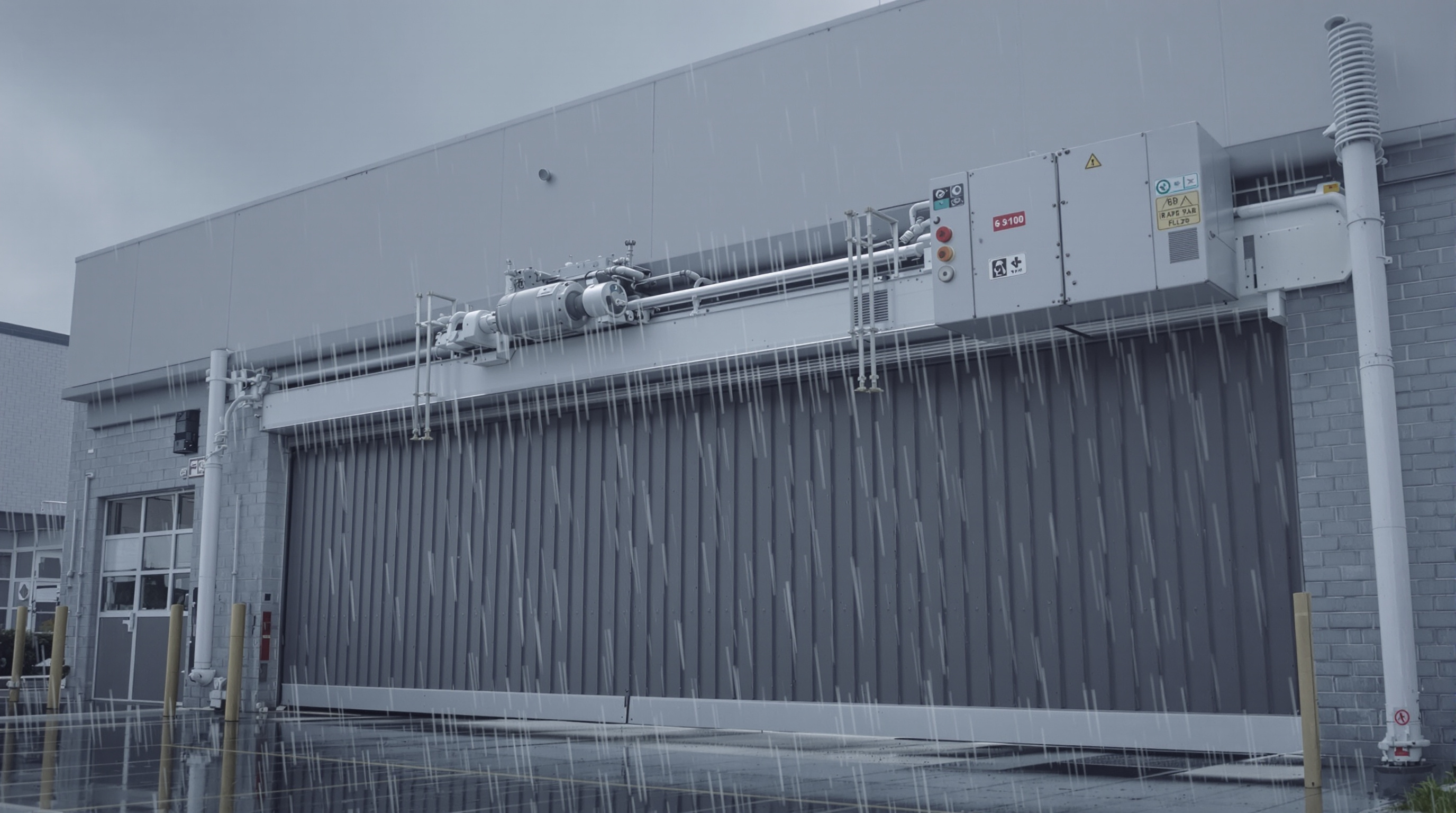
Industrial sliding gate operators use high-torque motors capable of handling gates up to 2,500 lbs, supported by hardened steel gears that reduce wear by 40% compared to standard models (Industrial Automation Report 2023). These systems maintain consistent performance in extreme temperatures, making them ideal for operations across diverse climates.
Weather-Resistant and Corrosion-Protected Enclosures
Designed for durability, industrial operators feature aluminum alloy or powder-coated steel enclosures with IP66 waterproof ratings, protecting against moisture even in severe weather. Corrosion-resistant components extend service life by up to 60% in coastal environments.
Load Capacity, Cycle Endurance, and Performance Testing
Top-tier models undergo rigorous validation, including 100,000 open/close cycles under maximum load—equivalent to over 15 years of daily use. Structural integrity is further verified through impact testing simulating collisions with equipment such as forklifts (up to 2,000 lbs).
Balancing Power Output with Energy Efficiency
Advanced models incorporate brushless DC motors and variable-speed controls, reducing energy consumption by 35% without compromising torque. Solar-ready configurations support off-grid operation, cutting annual energy costs by $740k for large logistics centers (Ponemon 2023).
Key Selection Criteria for Industrial Sliding Gate Operators
Matching Operators to Gate Size, Weight, and Usage Frequency
Selecting the right operator requires alignment with gate weight, dimensions, and daily usage. Heavy-duty models typically support gates up to 1,800 lbs (IAA 2023) and are built for high-traffic environments with 50+ daily cycles. Recommended pairings include:
| Gate Weight Range | Recommended Motor Torque | Ideal Usage Frequency |
|---|---|---|
| 800–1,200 lbs | 1/2 HP | 10–30 cycles/day |
| 1,200–1,800 lbs | 1 HP | 30–100 cycles/day |
Undersized motors risk early failure, while oversized units waste energy. Facilities with variable demand should prioritize models with proven cycle endurance data.
Power Options: AC, DC, and Solar Integration for Remote Sites
While AC-powered systems dominate urban industrial sites, DC and solar-compatible models offer energy savings of 30–50% in remote areas (NREL 2022). Solar setups require battery backups for low-light periods, with tier-1 panels generating 400–800W daily. Hybrid AC/DC + solar systems provide flexibility for facilities transitioning to renewable energy.
Smart Features: Remote Access and IoT Integration
IoT-enabled operators allow centralized monitoring of gate status, cycle counts, and error logs. Integration with access control systems like keycard readers or license plate recognition reduces unauthorized entry by 65% (Frost & Sullivan 2023). Cloud platforms also support predictive maintenance alerts for components such as limit switches and drive belts.
Essential Safety Mechanisms: Obstacle Detection and Manual Release
OSHA-compliant operators include dual safety systems:
- Infrared sensors that stop gate movement within 2 inches of obstruction
-
Manual release levers for emergency operation during power failures
Auto-reverse mechanisms meeting UL 325 standards reduce entrapment risks and have contributed to a 70% drop in gate-related accidents in high-risk facilities like chemical plants (BLS 2023).
Maintenance Practices for Long-Term Reliability of Sliding Gate Operators
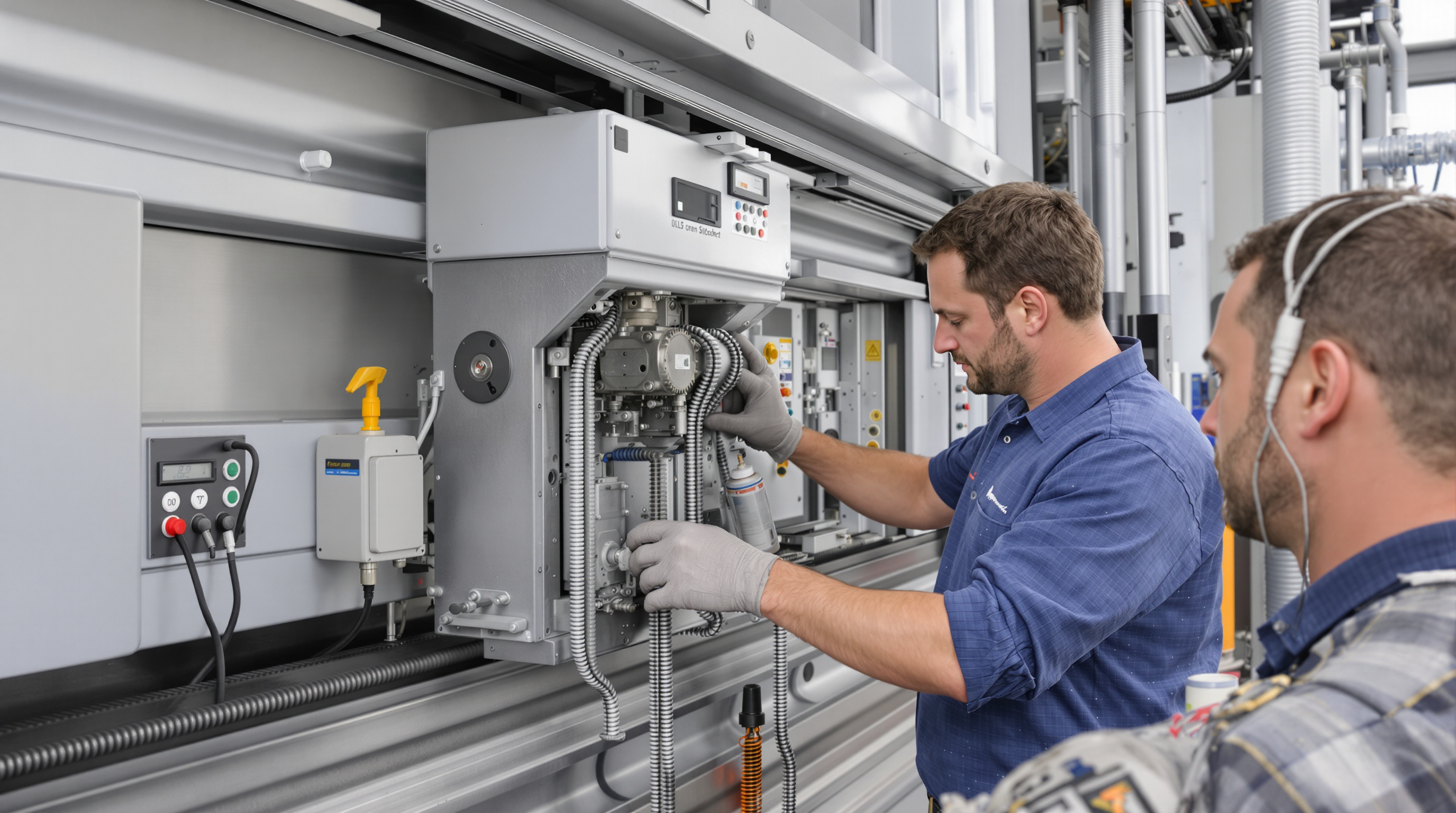
Systematic maintenance is essential for maximizing uptime and lifespan. Facilities following structured protocols report 60% fewer gate-related outages than those relying on reactive repairs (2023 industrial automation survey).
Preventative Maintenance Schedule and Inspection Checklists
Quarterly inspections aligned with ISO 55001 standards help identify early signs of wear. Digital checklists should track:
- Gearbox oil condition and contamination
- Accuracy of limit switch calibration
- Tension of foundation bolts
Maintaining detailed records enables predictive replacement of components before failure occurs.
Lubrication and Cleaning of Tracks and Moving Parts
Bi-monthly cleaning with non-corrosive solvents removes abrasive debris from roller paths. Applying lithium-based EP2 grease to drive chains reduces metal-on-metal wear by 43% (ASTM D4950). In coastal areas, best practices include:
- Flushing stainless steel tracks to prevent salt buildup
- Using silicone-based lubricants for humidity resistance
- Installing magnetic debris collectors along guide rails
Electrical System Maintenance: Sensors, Wiring, and Control Boards
Annual thermographic scans detect overheating in motor windings and contactors, while monthly dielectric testing ensures insulation resistance remains above 10MΩ. Key actions include:
- Replacing damaged cabling within 48 hours
- Reprogramming control boards to meet ANSI/UL 325 safety cycles
- Aligning photoelectric sensors to within ±1mm precision
These measures reduce long-term repair costs by 35% and help maintain unauthorized access rates below 0.5% in secure environments.
Comparing Top Heavy-Duty Sliding Gate Operators: Performance and ROI
Performance Benchmarks Across Leading Industrial Models
Industrial sliding gate operators come in all sorts of capacities when it comes to what they can handle. The best ones typically support between 1,500 to 3,000 pounds of weight, can go through over 50,000 cycles a year, and react to obstacles within just under two seconds flat. Some independent tests have actually shown that top quality models stay operational around 98.6% of the time even when pushed hard, which beats out the cheaper alternatives that only manage about 87.4%. What makes these premium systems so reliable? They usually feature brushless DC motors combined with dual stage gearing that keeps them running smooth even when things get tough. Meanwhile, those basic AC motor versions tend to lose about 22% of their power output when there's real strain on the system, something that becomes painfully obvious during busy periods at facilities.
Cost vs. Lifespan: Evaluating Return on Investment
The premium versions with their toughened gears and IP66 rated housing last around 12 to 15 years on average. That's almost twice as long as regular models which usually last between 6 and 8 years even though they cost about 40% more upfront. Facilities that see heavy usage, say over 75 operations per day, often get their money back within just 18 months. The savings come mainly from less downtime costing manufacturers roughly $450 every hour when machines stop working, plus maintenance bills drop by about 30%. And for those places out in the boonies where power is expensive, going solar compatible can slash energy costs by nearly 60%, as shown in several real world examples of renewable energy integration.
FAQs
What are sliding gate operators used for in industrial settings?
Sliding gate operators are used to automate the access control in industrial facilities, enhancing security and streamlining operations by reducing human error and improving efficiency.
How do sliding gate operators improve security and efficiency?
They improve security with advanced technological integrations like 24/7 monitoring and force resistance, and enhance efficiency by reducing downtime and unauthorized access attempts.
What are important features to consider when selecting a sliding gate operator?
Important features include the motor's torque capacity, weather-resistant enclosures, load capacity, cycle endurance, and energy efficiency options like DC or solar compatibility.
What maintenance practices are recommended for sliding gate operators?
Systematic maintenance, including routine inspections, lubrication, cleaning, and electrical system upkeep, is recommended to maximize uptime and lifespan while minimizing repair costs.
Table of Contents
- The Role of Sliding Gate Operators in Industrial Automation and Security
- Core Features of Heavy-Duty Sliding Gate Operators for Industrial Use
- Key Selection Criteria for Industrial Sliding Gate Operators
- Maintenance Practices for Long-Term Reliability of Sliding Gate Operators
- Comparing Top Heavy-Duty Sliding Gate Operators: Performance and ROI
- FAQs