
 EN
EN
How IR Remote Control Technology Works and Its Key Limitations
Understanding Infrared Signal Transmission and Command Processing
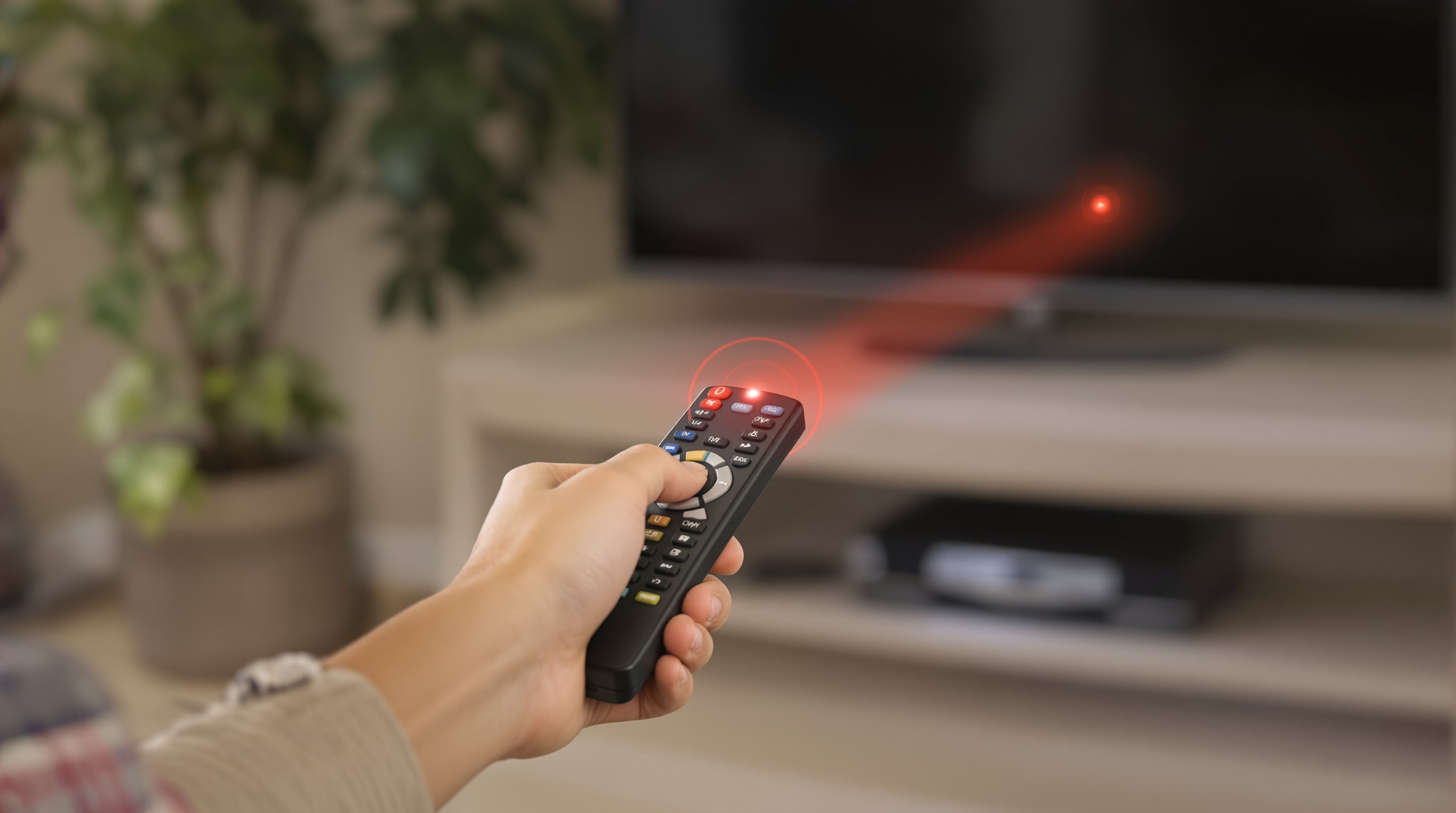
Remote controls that work with infrared light send out coded messages through light waves between about 750 nanometers and 1 millimeter long. Pressing a button makes the little IR light emitting diode flash on and off in special patterns so it doesn't get mixed up with other lights around, like those annoying fluorescent office lights. The thing that receives these signals has what's called a photodiode which reads all those flashes and turns them into actual commands for things like turning devices on or off, adjusting volume levels, changing channels etc. What makes this tech pretty cool is how efficient it actually is. Most remotes can last for months just running on regular old AAA batteries. Still there are some downsides too. They generally only work within about 5 to 10 meters away and need to have a clear view straight at whatever they're controlling. That becomes a problem when trying to manage multiple devices scattered throughout a living room or home theater setup.
Line-of-Sight Constraints and User Experience Drawbacks
Infrared remotes need a direct line of sight between the device and what it controls, so anything gets in the way furniture, people walking by, even curious pets can mess up the signal. A recent look at the issue by EE Times back in 2024 pointed out how frustrating this becomes for folks who have their equipment mounted on walls, like those fancy air conditioners or big screen entertainment systems where signals just bounce around unpredictably. The biggest difference compared to WiFi remotes? Those infrared signals cant go through walls at all. That means trying to control something in another room is basically impossible, which really limits how useful these remotes are when someone has multiple rooms they want to manage from one spot.
Typical Applications and Declining Role in Smart Home Ecosystems
Infrared technology is still pretty widespread in cheaper TVs, soundbars, and older appliances mainly because it's cheap to manufacture and simple to implement. The problem comes when we look at how it works though. Traditional IR only sends signals one way without any kind of feedback or confirmation, which just doesn't cut it anymore for today's smart homes. As WiFi enabled devices have taken off with features like voice commands, automated routines, and real time data sharing between devices, infrared's role in these sophisticated setups has dropped down to around 22% according to Smart Home Tech Report from last year. Sure, IR will work fine for turning things on and off, but it simply can't keep up with what people expect from their connected homes these days.
WiFi Remote Control: Enabling Smarter, More Flexible Device Management
WiFi remotes work differently from traditional infrared ones because they rely on standard wireless tech instead. The range is impressive too, going as far as 150 feet indoors which beats the 30 foot limit of IR signals according to Consumer Tech Association stats from last year. These gadgets operate on those common 2.4 GHz and 5 GHz frequencies we all know so well, meaning they can actually go through walls and furniture rather than bouncing off them like IR does. That makes controlling devices possible throughout entire homes without having line of sight. Another big plus is that unlike old school IR remotes, WiFi versions let devices talk back to users in real time. So when someone hits play on their TV, the system confirms it worked right away instead of just assuming everything went smoothly.
How WiFi Remote Control Eliminates Range and Obstruction Barriers
WiFi remotes keep their connection steady across different rooms, which makes them great for controlling everything around the house. Some testing showed these remotes worked about 98% of the time even when going through three plasterboard walls, whereas infrared signals just stopped working altogether according to a report by Smart Home Standards Consortium back in 2022. Because they're so reliable, people can tweak thermostat settings from upstairs, switch on garden lights while sitting indoors, or fiddle with music systems anywhere in the house without having to point anything at the actual devices.
Seamless Integration with Smart Home Systems and IoT Devices
Most WiFi remotes work out of the box with around 78 percent of certified smart home systems these days, especially those compatible with the new Matter standard. They connect through regular APIs to things like security cameras, automatic window shades, and power usage trackers. About two thirds of people actually use all this connection stuff to set up their own automated sequences. Think about it - when someone wants movie night mode, they just press one button and suddenly the lights go down, the windows shut, and their favorite streaming service pops up on the TV. Pretty convenient if you ask me.
Voice Assistant Compatibility and Centralized Control via WiFi Remote Control
Most smart home enthusiasts consider voice control with Alexa, Google Assistant, and Siri pretty much a must have these days. Parks Associates reported back in 2023 that around half (52%) of American smart home users put voice integration right at the top of their wish list. The newer WiFi remotes are game changers too, letting folks manage 15+ devices from one single screen instead of dealing with multiple remotes. These advanced systems cut down on physical clutter by about 83% when compared to traditional infrared setups. People love being able to set timers for appliances, tweak lighting settings throughout the house, and even get monthly energy consumption reports all from the same app they use to control everything else. This kind of centralized control makes managing day-to-day household tasks so much simpler than it used to be.
Comparative Advantages: RF and WiFi Remote Control vs IR Technology
RF Remote Control Advantages in Signal Penetration and Operational Range
RF remotes beat IR hands down since they can send signals right through walls and work reliably at distances over 30 meters, as various tech reports have shown lately. The best part? No direct line of sight needed. So people can control gadgets in other rooms or inside cabinets without any issues. Think about home theater setups where speakers are tucked away behind walls, or those hidden entertainment centers in living rooms. Even garage door openers benefit from this tech. For anyone who needs consistent signal transmission without interruption, RF just makes more sense than traditional infrared methods.
Why IR Remains in Use: Cost, Simplicity, and Legacy Device Support
Even though it has some drawbacks, infrared (IR) tech keeps sticking around because it's cheap and works with lots of existing equipment. The manufacturing costs for IR systems are roughly between 60 and 70 percent lower compared to those fancy RF or WiFi options out there. That makes IR a good fit for simple gadgets such as televisions and air conditioning units where price matters most. Another plus point is how long these things last on batteries. Most IR devices can go anywhere from 12 months up to almost 18 months before needing new ones since they don't drain much power at all. Considering that around three quarters of homes still have old school IR remotes lying around somewhere, this technology continues to be pretty useful for folks who want something straightforward without breaking the bank instead of going full smart home crazy.
Two-Way Communication: Enhancing Feedback and User Interaction
Real-Time Status Updates and Device Feedback via WiFi Remote Control
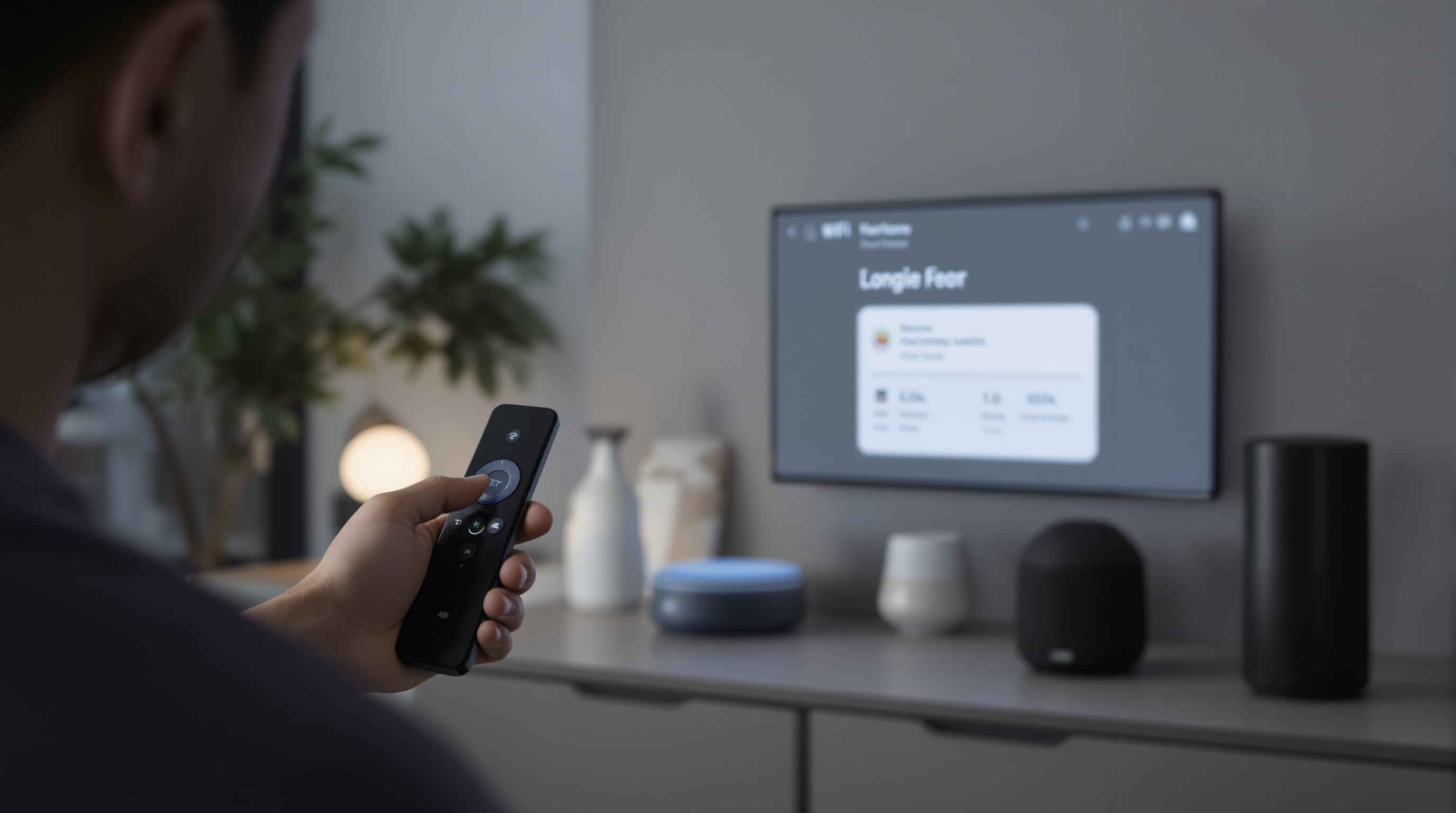
WiFi remote controls work both ways, so devices can actually talk back with stuff like battery levels, confirmation messages when something happens, or warnings if there's a problem. When the Smart Home Tech Institute tested these systems last year, they found that most WiFi remotes gave accurate status updates around 87% of the time, usually within about half a second. People really benefit from this because they can check if their thermostat settings took effect while away from home, or get notified instantly when a power surge hits their smart plug. These kinds of two way interactions just aren't possible with older infrared remotes which only send signals one direction.
Improved User Interface and Remote Control Intelligence Through Bidirectional Signals
When WiFi remotes have bidirectional data flow, they become much more than just buttons on plastic. They act like smart dashboards that learn from how people actually use them. The system looks at which features get used most often and moves those to the front, so users don't waste time digging through menus anymore. Some studies show this can cut down menu hunting by around 40% when compared with old school infrared remotes. Voice controlled versions keep getting better too since they remember past interactions and adjust their understanding accordingly. Plus there's built in energy tracking that sends out monthly reports showing exactly how much power devices consume. All these features make the remote not just a control device but something that helps diagnose problems and optimize performance, making life easier day after day.
Making the Right Choice: When to Use WiFi Remote Control Over IR
Evaluating Smart Home Needs vs Basic Device Control Requirements
WiFi remotes work really well in households that have lots of smart gadgets or need some kind of automation going on. These remotes don't need a clear view between them and the device they're controlling, plus they play nice with voice assistants and all sorts of internet connected stuff. That makes them great when someone has over five different things to manage or wants to set up complicated daily routines around the house. On the flip side, infrared remotes still make sense for people who just want something simple in one room with regular old appliances. The price tag isn't bad either at around $5 to $20 each, so most folks find them worth it if they don't need all those fancy extra features.
Cost-Benefit Analysis of Upgrading to WiFi Remote Control Systems
While WiFi systems require a higher initial investment ($50–$200 for hub-based setups), they deliver long-term value through:
- Energy savings (10–15% via automated power management)
- Scalable control (one remote managing 50+ devices vs. IR’s 1:1 limitation)
- Future-proofing (over-the-air updates and evolving functionality)
For homes expanding their smart ecosystems, WiFi enables predictive maintenance alerts and remote diagnostics–capabilities IR cannot support. However, for users with fewer than three legacy devices or minimal interoperability needs, IR remains a cost-effective and reliable option.
FAQs
What are the key limitations of IR remote control technology?
IR remote controls require a direct line of sight between the remote and the device being controlled. They have a limited range of 5 to 10 meters and cannot transmit signals through walls, limiting their usefulness in multi-room setups.
How do WiFi remotes differ from IR remotes?
WiFi remotes use wireless technology to transmit signals over a longer range, typically up to 150 feet indoors. They can communicate through walls and objects and support real-time feedback and voice assistant integration.
What are the typical applications of IR technology?
IR technology is commonly used in cheaper TVs, soundbars, and older appliances due to its low manufacturing cost and simplicity.
When should I choose WiFi remote control over IR?
WiFi remotes are ideal for homes with multiple smart devices or automation needs. Their ability to work with voice assistants and connect with various internet-connected gadgets makes them suitable for managing complex setups.
Table of Contents
- How IR Remote Control Technology Works and Its Key Limitations
- WiFi Remote Control: Enabling Smarter, More Flexible Device Management
- Comparative Advantages: RF and WiFi Remote Control vs IR Technology
- Two-Way Communication: Enhancing Feedback and User Interaction
- Making the Right Choice: When to Use WiFi Remote Control Over IR
- FAQs