
 EN
EN
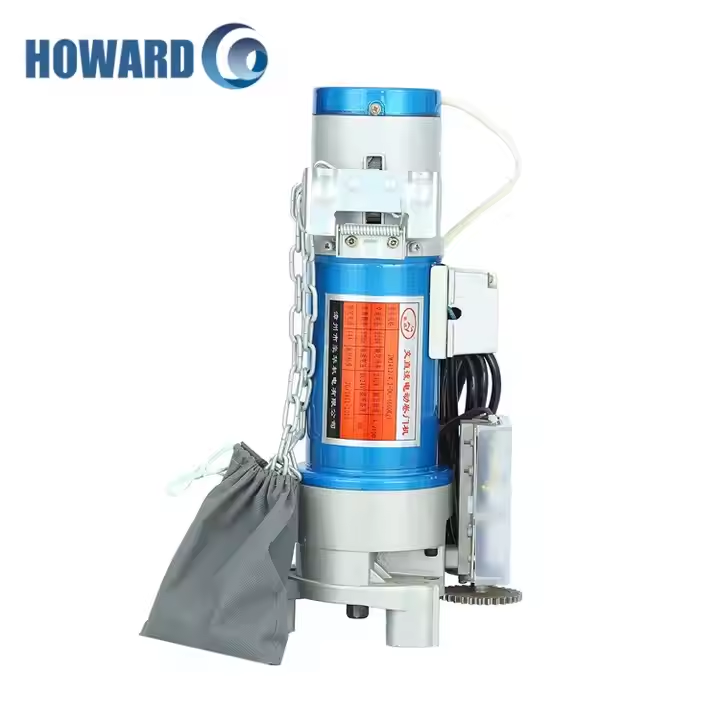
Core Durability Drivers: Build Quality, Drive System, and Environmental Resilience
The longevity of a garage door opener rests on three core factors: materials, drive mechanism, and the environment it operates in. Each influences how well the unit withstands daily use and external stress over time.
Drive System Comparison: Belt, Chain, and Screw — Lifespan, Load Handling, and Wear Patterns
The drive system determines how the opener transfers force and copes with repeated stress. The table below compares the three main types across durability-critical dimensions.
| Drive Type | Typical Lifespan | Load Handling | Wear Patterns |
|---|---|---|---|
| Belt | 10–15 years | Moderate; smooth torque reduces stress on components | Belt stretches gradually; requires periodic tension checks |
| Chain | 10–12 years | High; capable of lifting heavy doors consistently | Chain slack and vibration cause sprocket and rail wear; regular lubrication needed |
| Screw | 8–12 years | Moderate; threaded rod relies on constant friction | Thread surface degrades over time; performance drops in extreme temperatures |
Belt drives excel in quietness and longevity, chain drives handle heavier loads but demand more upkeep, and screw drives offer simplicity at the cost of climate sensitivity. Choosing the right balance depends on your door weight and usage frequency.
Climate & Environment: How Temperature Extremes, Humidity, and Dust Affect Garage Door Opener Longevity
Environmental conditions accelerate wear on moving parts and electronics. In freezing temperatures, metal components contract and lubricants thicken, increasing motor strain and belt brittleness. High humidity promotes rust on chains, screw threads, and exposed springs, while dust and debris creep into tracks and sensor lenses, causing misalignment and premature failure. To mitigate these risks, look for a garage door opener with sealed bearings, corrosion-resistant materials, and proper ventilation. Models rated for wide temperature ranges or built with weatherproof housings last significantly longer in challenging climates.
Real-World Reliability by Type: Evaluating Belt, Chain, and Direct-Drive Openers
Belt-Drive Garage Door Opener: Quiet Operation and Proven Long-Term Durability
A belt-drive garage door opener uses a reinforced rubber or polyurethane belt to move the trolley. This design delivers exceptionally quiet operation, making it ideal for attached garages or homes with living spaces above the garage. High-quality belts with steel or fiberglass reinforcement resist stretching and perform consistently across climates. Many manufacturers back them with a lifetime belt warranty—a strong signal of confidence in long-term reliability. While belts can eventually crack or delaminate under extreme UV exposure or sustained high heat, a well-maintained unit commonly lasts 10–20 years. The trade-off is a higher upfront cost, typically ranging from $200 to $450 before installation.
Chain-Drive Garage Door Opener: Strength vs. Vibration Fatigue and Component Wear
The chain-drive garage door opener uses a metal chain similar to a bicycle chain and remains the standard for raw pulling power. It excels with heavy, oversized, or custom wooden doors, offering superior strength and affordability—prices usually fall between $150 and $350. Its durability hinges on chain quality and consistent maintenance: without regular lubrication, moisture leads to rust, and vibration accelerates wear on sprockets and rails. The unavoidable drawback is noise, which can be disruptive in attached garages. Over 15 years, professional maintenance for chain-drive units may add $500–$1,500 in cumulative costs. Still, when properly installed and maintained, it remains a robust and cost-effective choice.
Direct-Drive (Jackshaft) Systems: Low-Maintenance Appeal and Installation-Specific Longevity
Direct-drive (jackshaft) openers feature a motor that moves along a stationary chain mounted on the wall beside the garage door. With fewer moving parts than belt or chain systems, they deliver inherently lower maintenance requirements and near-silent operation. This simplicity is their primary longevity advantage. However, their reliability is highly dependent on correct installation: they require a precisely balanced torsion bar system and adequate wall clearance. Though more expensive upfront, their smooth, consistent performance makes them a durable modern option—especially where ceiling space is limited or noise must be minimized.
Warranty, Service Support, and Smart Features That Extend Garage Door Opener Lifespan
Beyond the Warranty Label: What ‘Lifetime Motor’ and ‘10-Year Parts’ Really Mean for Durability
A “lifetime motor” warranty typically covers only the motor itself—not labor, gears, circuit boards, or belt assemblies. A meaningful 10-year parts warranty should explicitly include key wear items such as the drive belt, chain, limit switches, and sensors. Always check the fine print: some warranties require professional installation and documented maintenance to remain valid. DC motors are increasingly common under these plans because their variable-speed soft start and soft stop reduce mechanical shock to both the opener and the door—directly extending service life. Before purchasing, verify whether coverage includes both parts and labor, and whether the warranty is transferable if you sell your home.
Smart Diagnostics and Self-Adjusting Features as Preventative Longevity Tools
Modern Wi-Fi–enabled garage door openers provide real-time alerts for excessive force, irregular travel, or low battery backup status. These self-diagnostic tools identify early warning signs—like misaligned sensors or worn rollers—before they escalate into costly repairs or drive-system damage. Some models also feature self-adjusting travel limits that automatically recalibrate after seasonal temperature or humidity shifts, helping maintain door balance and reducing repetitive strain on the motor. When paired with a smartphone app, these features function as an ongoing health monitor—enabling truly preventative service scheduling rather than arbitrary calendar-based maintenance.
Frequently Asked Questions (FAQ)
How long does a garage door opener typically last?
The lifespan of a garage door opener varies by type. Belt drives last around 10–15 years, chain drives 10–12 years, and screw drives roughly 8–12 years with proper maintenance.
What environmental factors affect garage door opener longevity?
Extreme temperatures, high humidity, and dust can significantly affect a garage door opener’s lifespan. These conditions can cause metal contraction, rust, and the misalignment of tracks and sensors.
Are belt-driven garage door openers quieter than chain-driven ones?
Yes, belt-drive openers are much quieter than chain-drive systems and are ideal for homes with attached garages or bedrooms above the garage.
What features should I look for in a durable garage door opener?
Look for models with sealed bearings, corrosion-resistant materials, wide temperature tolerance, and weatherproof housings designed for challenging climates. Smart diagnostics and self-adjusting features can also extend the lifespan.
Do warranties on garage door openers cover all components?
Not always. Warranties like ‘lifetime motor’ typically cover only the motor, not parts such as belts, chains, or circuit boards. Check the fine print for comprehensive coverage.
Table of Contents
- Core Durability Drivers: Build Quality, Drive System, and Environmental Resilience
- Real-World Reliability by Type: Evaluating Belt, Chain, and Direct-Drive Openers
- Warranty, Service Support, and Smart Features That Extend Garage Door Opener Lifespan
-
Frequently Asked Questions (FAQ)
- How long does a garage door opener typically last?
- What environmental factors affect garage door opener longevity?
- Are belt-driven garage door openers quieter than chain-driven ones?
- What features should I look for in a durable garage door opener?
- Do warranties on garage door openers cover all components?