
 EN
EN
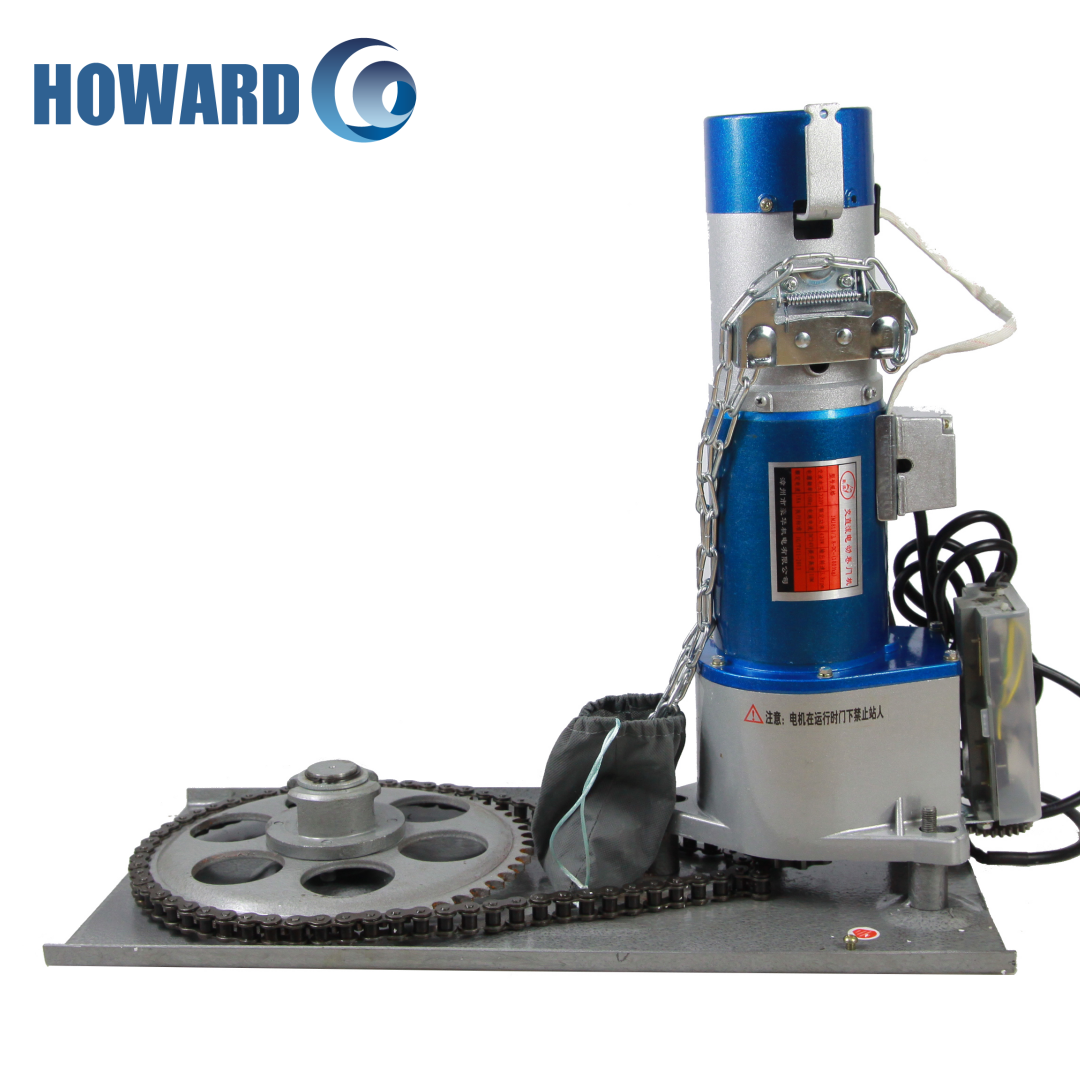
Why Roller Door Motor Quality Determines System Reliability
How motor failure drives 68% of rolling door downtime
About two thirds of all problems with rolling doors come down to failed motors, which means getting good components isn't just important it's absolutely essential. When commercial buildings lose production time because their motors are overheating after too many cycles or breaking down due to harsh conditions, the costs really add up fast. Residential door motors usually last around ten thousand cycles max, but industrial strength versions need to handle way more than that 100 thousand cycles minimum with tougher materials built right in. Most modern systems have thermal protection kicking in around 155 degrees Celsius to save those expensive windings from getting cooked beyond repair. And manufacturers spend extra time balancing the armatures so vibrations don't wear things out prematurely. Companies that go for top tier motor installations tend to see about 40 percent reduction in unexpected maintenance calls throughout the year according to industry reports.
Key reliability factors: torque rating, IP65+ ingress protection, and thermal shutdown design
Three engineering specifications define long-term motor reliability:
- Torque capacity (≥1,200 N·m): Ensures consistent operation with heavy insulated steel doors (1,500–2,500 lbs) without gear slippage
- IP65+ sealing: Blocks dust ingress and high-pressure water jets—critical for food processing plants and coastal installations
- Class F thermal protection: Automatically disengages power at 155°C to prevent insulation breakdown during extended use
Motors lacking these features exhibit three times higher failure rates in humid environments. Facilities deploying compliant units achieve 20+ year service life, reducing replacement costs by 60% over a decade.
Matching Roller Door Motor Specifications to Application Needs
Selecting the right torque (N·m) and power class for door weight and cycle frequency
Precise torque calibration prevents premature failure and operational disruption. Your motor must generate sufficient force (in Newton-meters) to handle the door’s total weight and its daily cycle demand—undersized units cause 73% of bearing failures within 18 months in high-frequency commercial settings, per a 2023 NEMA study. Use this framework:
| Application | Torque Range | Power Class | Daily Cycles |
|---|---|---|---|
| Light commercial (1,500 lbs) | 600–800 N·m | Intermittent-duty | <30 |
| Industrial (3,000+ lbs) | 1,200+ N·m | Continuous-duty | 50+ |
Oversizing wastes energy; undersizing accelerates wear. S1-rated motors—designed for continuous 8+ hour operation—cut repair costs by 62% versus intermittent models in warehouse environments.
Voltage (24V DC vs. 230V AC) and control protocol compatibility with existing infrastructure
Getting electrical compatibility right matters a lot for safety issues, how fast things integrate, and whether systems can scale later on. When dealing with places that need battery backups or where low voltage safety counts, go for those 24V DC motors. Think residential areas or small retail shops. But if we're talking about heavy duty industrial doors weighing over 2,500 pounds, then 230V AC is really what delivers that steady torque needed for proper operation day after day. Control protocol problems are actually responsible for about 40% of all retrofitting delays according to field reports, so checking compatibility with whatever building management system or access control already exists should happen way before any installation work starts. Looking ahead, around three quarters of facilities plan to get cloud connected roller door motors by 2027 per the latest Industrial Power Systems data from 2024. That means smart money now goes toward motors that support protocols like Modbus, CANopen, or have IoT capabilities built in. Otherwise companies might find themselves stuck doing expensive upgrades down the road.
Modern Roller Door Motor Advancements: Efficiency, Intelligence, and Integration
Contemporary roller door motors combine advanced materials, intelligent controls, and digital connectivity to elevate performance, longevity, and system interoperability.
Advantages of Brushless DC (BLDC) Roller Door Motors: 40% Longer Lifespan and Silent Operation
The market for premium equipment is increasingly being taken over by BLDC or Brushless DC motors because they last longer and run much quieter compared to traditional options. These motors work differently from older models since they don't have those mechanical brushes anymore. Instead, they use electronic commutation which gets rid of all those friction points that cause wear and tear over time. What does this mean practically? Well, these motors can last around 40% longer than regular AC units and they operate at noise levels under 60 decibels too. Another big plus is how efficient they are with energy consumption. Studies show improvements between 25% to 30% better efficiency, something that makes them especially attractive for places where machines run constantly like factories or large commercial facilities that need reliable performance day after day.
| Motor Type | Avg. Lifespan | Noise Level | Energy Efficiency |
|---|---|---|---|
| Standard AC | 5–7 years | 70–85 dB | Baseline |
| DC | 8–10 years | 60–75 dB | 15–20% improvement |
| BLDC | 12–15 years | <60 dB | 25–30% improvement |
Smart Features: IoT Readiness, Soft-Start/Stop, and Seamless Integration with BMS or Access Control
Today's motor designs come packed with microprocessor controls and built-in IoT sensors that make them really good at starting and stopping gently under pressure, which cuts down wear and tear on things like gears, tracks, and those heavy door panels we all see in commercial buildings. These motors also work out of the box with common industry protocols such as BACnet and Modbus, so they can easily plug into existing building management systems. What does this mean? Facility managers get live updates on how many times the motor cycles through its motions, when temperatures hit certain levels, if something gets stuck during operation, and even gets warnings before parts might fail. Since around 2021, factories and warehouses have been adopting these smarter motors at a pretty impressive rate - somewhere around 40% increase. The result? Less unexpected breakdowns and technicians who can check problems from their desks instead of having to drive between different sites all day long.
FAQ
Why are roller door motors crucial for system reliability?
Roller door motors are critical for system reliability because they determine the operational efficiency and longevity of the doors. A high-quality motor reduces downtime and maintenance costs.
What are the main factors affecting the reliability of roller door motors?
The key factors affecting motor reliability include torque capacity, IP65+ ingress protection, and Class F thermal protection. These ensure consistent and prolonged operation in various environments.
How should one choose the right roller door motor?
When choosing a motor, consider the door's weight, cycle frequency, voltage requirements, and compatibility with existing systems. Opt for motors that align with your specific application needs to ensure optimal performance.
What is the advantage of Brushless DC (BLDC) motors over traditional motors?
BLDC motors provide advantages such as a 40% longer lifespan, quieter operation, and improved energy efficiency, making them an excellent choice for environments requiring reliable and continuous performance.
Why are modern roller door motors equipped with IoT and smart features?
Modern motors with IoT capabilities provide real-time data on performance and maintenance needs, helping managers monitor and respond to issues before they lead to significant operational disruptions.
Table of Contents
- Why Roller Door Motor Quality Determines System Reliability
- Matching Roller Door Motor Specifications to Application Needs
- Modern Roller Door Motor Advancements: Efficiency, Intelligence, and Integration
-
FAQ
- Why are roller door motors crucial for system reliability?
- What are the main factors affecting the reliability of roller door motors?
- How should one choose the right roller door motor?
- What is the advantage of Brushless DC (BLDC) motors over traditional motors?
- Why are modern roller door motors equipped with IoT and smart features?