
 EN
EN
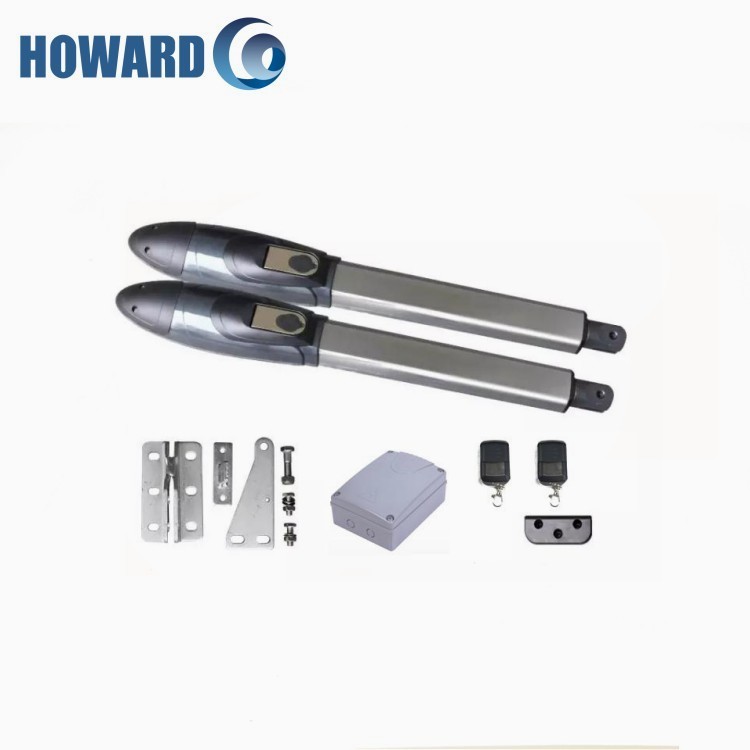
In-Ground Swing Gate Openers: Seamless Aesthetics and Heavy-Duty Performance
How hydraulic underground mechanisms deliver clean sightlines and high-torque operation
Inground hydraulic swing gate openers hide all the mechanical stuff underground so there's nothing sticking out above ground like arms, motors or those big housings that mess with the view and architectural flow. These systems use pressurized fluids to create serious torque power, sometimes going over 1,200 foot pounds which lets them handle really heavy gates weighing up to 1,800 pounds without breaking a sweat. That kind of strength is why they work so well at places needing top security or areas hit by harsh weather conditions. Think about locations where winter brings lots of ice and snow buildup or strong winds push against gates constantly increasing stress on the system. The whole hydraulic setup runs pretty quiet actually and gives operators fine control over how fast gates open and close speeds. This matters a lot for safety reasons and overall user satisfaction when people need to get through regularly. Since there's absolutely no visible hardware messing up building facades or garden designs, property owners love installing these types of systems at upscale residential communities, old buildings worth preserving, and new construction projects where looking good matters just as much as functionality does.
Key installation requirements and long-term maintenance considerations
Getting things installed properly starts with taking a good look at the site first. Soil type, how much groundwater is around, and what kind of drainage exists all matter when trying to keep water out of that buried actuator chamber. For the foundation, we usually go with reinforced concrete at least 24 inches on each side. This gives the whole setup enough strength to stand up to whatever conditions come its way. When running conduits underground, make sure they don't cross paths with anything already down there like pipes or cables. As far as maintenance goes, it doesn't happen often but still needs attention. Check those hydraulic fluids every three months or so, make sure seals are holding tight, and clean off any dirt or grime that builds up on moving parts over time. Most folks in the business will tell you these basic steps cover pretty much everything needed for reliable operation in the long run.
- Annual pressure testing of hydraulic lines
- Biennial replacement of ISO 46-grade hydraulic fluid
- Immediate service if gate movement becomes inconsistent or sluggish
When installed and maintained correctly, these systems routinely achieve 15+ years of service—even in highly corrosive coastal environments—demonstrating exceptional durability and return on investment.
Linear Actuator Swing Gate Openers: Reliable, Adjustable, and Widely Compatible
Electromechanical vs. hydraulic ram types — comparing torque, speed, and duty cycle for residential and commercial use
Swing gate openers with linear actuators generally come in two main types: electromechanical systems and hydraulic rams, each designed for different needs. Electromechanical models work with gear driven motors that provide steady power output around 600 to 1,200 foot pounds of torque. These units can complete a full swing cycle in just 8 to 12 seconds, making them suitable for places where gates need to open and close frequently throughout the day, often handling over 100 operations without issue. On the other hand, hydraulic rams rely on pressurized fluids to generate much stronger starting force, sometimes reaching up to 2,000 foot pounds. They perform best with heavier residential gates weighing more than 1,000 pounds, although they take longer to complete their movements, usually between 15 and 20 seconds per swing. Most manufacturers rate these hydraulic systems for no more than 50 cycles daily. When selecting between these options, factors beyond simple weight matter a lot. How often the gate will be used, what kind of weather conditions it faces, and how precisely it needs to control movement all play important roles in determining which system works best for any particular installation.
| Feature | Electromechanical Rams | Hydraulic Rams |
|---|---|---|
| Max Torque | 1,200 ft-lbs | 2,000 ft-lbs |
| Cycle Speed | 8–12 seconds | 15–20 seconds |
| Duty Cycle | 100+ operations/day | ≤50 operations/day |
| Ideal Use Case | Commercial entrances | Heavy residential gates |
Mounting options (top- vs. bottom-mounted) and their impact on gate swing radius and structural clearance
How we mount these systems really impacts several factors including how much space is needed, the range of motion, and how well they hold up against environmental challenges. When we install actuators on top of gates, they connect to both the upper frame and support columns. These setups need about 18 to 24 inches above ground for clearance. While this keeps valuable floor space free, the downside comes when things like roof overhangs, signs, or even trees get in the way of the swinging path. The alternative is mounting from below where the unit attaches directly to the gate's base and foundation. Ground clearance here drops down to just 6 to 8 inches, allowing gates to open all the way around 180 degrees. But there's a trade off too. Bottom mounts tend to collect snow, get stuck on gravel, or have problems with plants growing around them. For those tricky situations with sloped driveways, bottom mounting generally handles changes in elevation better than top mounting does. That makes it a smart option for older installations or sites that aren't perfectly level.
Column- and Pad-Mounted Swing Gate Openers: Adaptive Solutions for Complex Sites
Column and pad mounted swing gate openers become really useful when regular installation just won't work because of uneven ground, limited space, or old buildings needing updates. These systems attach to normal fence posts or specially made concrete bases instead of digging holes. This approach solves problems caused by hard rock layers, areas where groundwater is too close to surface, or places crowded with underground pipes and cables. The whole process becomes much easier, especially on hills that aren't too steep (around 15 degrees max). They still handle heavy gates too, some weighing over 1500 pounds. Businesses stuck in tight spots or historic properties wanting to keep their original look find these systems ideal. The external mounting lets installers position everything exactly right for how the gate swings without damaging anything important. Maintenance? No problem at all since everything important stays above ground where technicians can easily reach them for oil changes, checks, or swapping parts. Plus, these openers play nicely with most existing security systems. Property managers can upgrade from hand operated gates to automated ones without tearing apart their current security setup.
Solar-Powered and Dual-Power Swing Gate Openers: Energy Independence with Smart Readiness
Real-world solar yield, battery buffering strategies, and integration with access control systems
Swing gate openers running on solar power offer real energy savings, cutting down on grid electricity usage by around 75% each year for most setups, as noted in the 2023 report from the International Gate & Access Association. How much power they actually produce varies based on where panels are placed, how much sunlight hits them locally, and what time of year it is. Still, today's solar panels generally handle regular gate operations pretty well even in areas with average weather conditions. The battery system plays a big role here too. These deep cycle batteries save extra energy collected during the day so gates can still work at night or when there's not enough sun for several days straight (usually about 3 to 5 days). An important feature is that these systems play nice with existing equipment like card readers, intercom systems, and safety detectors, keeping security features working properly even if there's a power cut. Many installations also come with dual power options combining solar and traditional grid connection. When solar production drops below normal levels for extended periods, the system just switches back to grid power automatically, giving users peace of mind about both environmental benefits and continuous operation without needing anyone to step in and fix things.
FAQ
What are the main types of swing gate openers discussed?
In-ground hydraulic, linear actuator (electromechanical and hydraulic ram), column- and pad-mounted, and solar-powered swing gate openers.
What are inground hydraulic gate openers best for?
They are ideal for upscale properties needing top security and areas with harsh weather conditions due to their hidden mechanics and high torque.
What factors influence the installation of these gate openers?
Site conditions including soil type, groundwater presence, and drainage are crucial for successful installation.
How often should hydraulic fluids be checked?
Hydraulic fluids should be checked every three months as part of regular maintenance.
What are the differences between electromechanical and hydraulic ram actuators?
Electromechanical systems offer faster cycle speeds and are suitable for frequent use, while hydraulic rams offer higher torque, suited for heavy gates but have slower cycle times.
How do solar-powered swing gate openers work?
They use solar panels to generate energy, supplemented by deep cycle batteries for consistent performance, even during low sunlight periods.
Table of Contents
- In-Ground Swing Gate Openers: Seamless Aesthetics and Heavy-Duty Performance
- Linear Actuator Swing Gate Openers: Reliable, Adjustable, and Widely Compatible
- Column- and Pad-Mounted Swing Gate Openers: Adaptive Solutions for Complex Sites
- Solar-Powered and Dual-Power Swing Gate Openers: Energy Independence with Smart Readiness
-
FAQ
- What are the main types of swing gate openers discussed?
- What are inground hydraulic gate openers best for?
- What factors influence the installation of these gate openers?
- How often should hydraulic fluids be checked?
- What are the differences between electromechanical and hydraulic ram actuators?
- How do solar-powered swing gate openers work?