
 EN
EN
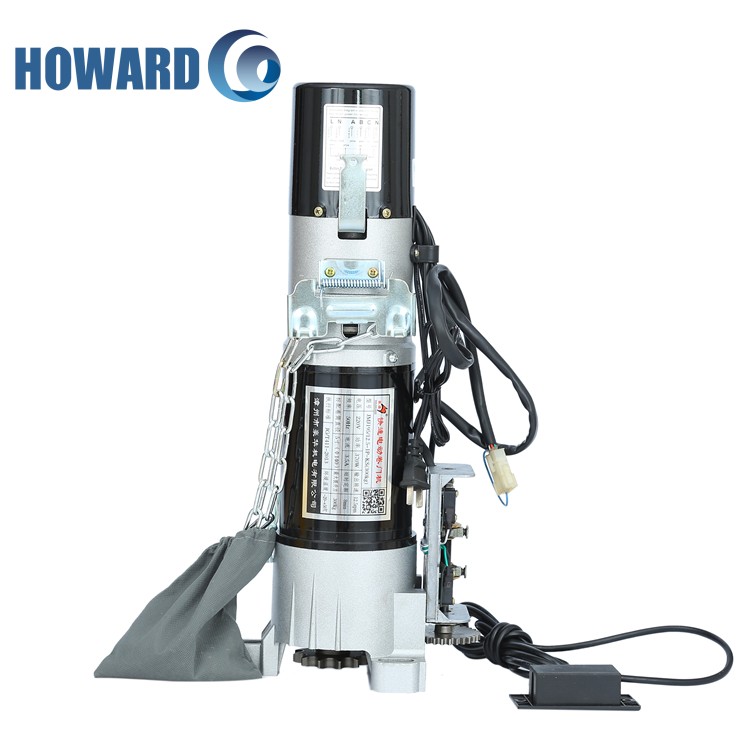
How a Rolling Door Motor Works: Core Mechanics and Performance Fundamentals
Gearmotor Design, Torque Transmission, and Integrated Braking Systems
At the heart of any rolling door motor sits a specially designed gearmotor that turns electricity into usable mechanical power. These motors combine standard electric motors with complex planetary gear systems that take fast spinning motion with little strength and convert it into powerful torque capable of lifting massive industrial doors, sometimes exceeding 1000 lbs in weight. The actual transfer of this torque happens through either heavy duty roller chains when dealing with really tough loads or smoother synchronous belts for installations where noise levels matter and maintenance needs to stay minimal. Energy losses are kept to a minimum while reducing component wear over time. Most modern units come equipped with built-in electromagnetic brakes that serve two important functions. First, they kick in immediately if there's ever a power outage, stopping the door from dropping uncontrollably. Second, these brakes allow operators to set doors at specific positions between fully open and closed states. What makes them particularly valuable is their ability to hold position even when no power is present, which explains why so many businesses across different industries rely on this safety feature as part of their daily operations.
Energy Efficiency, Duty Cycle Ratings, and Motor-Driven vs. Manual Operation Trade-offs
Modern rolling door motors now use brushless DC tech which can slash power usage by around 30% compared to old school AC motors. Plus they accelerate more smoothly and last much longer before needing replacement. When looking at duty cycles these days, it's all about how long the motor runs within set time frames. Take 30% duty as an example that means three minutes running out of every ten minute period. Motors with lower than 30% rating tend to overheat quickly in places where doors open close constantly such as busy loading areas. The better quality ones designed for continuous operation handle 50% plus runtime thanks to their improved cooling systems. Switching from manual to electric operation brings real benefits worth considering for any facility manager thinking about efficiency upgrades.
- Operational efficiency: Automated cycles reduce labor time by up to 70% in high-traffic facilities
- Enhanced security: Instant, reliable closure after hours or during emergencies
-
System integration: Native compatibility with building management and access control platforms
The trade-offs—higher initial investment and need for dedicated electrical infrastructure—make manual operation viable only for lightweight doors used infrequently, such as in small storage rooms or secondary entrances.
Rolling Door Motor Applications Across Commercial and Industrial Sectors
Warehousing & Logistics: Meeting High-Speed, High-Cycle Demands
Rolling door motors used in distribution centers and logistics facilities need to handle a lot. The fast ones can move at over 50 inches per second, which really cuts down on how long trucks sit idling waiting to get in or out. These doors can go through more than 60 cycles each day without losing their edge. What makes them work so well? The IP65 rating means they keep out dust from all those forklifts zipping around and pallets being moved constantly. Plus, the built-in brakes stop the doors with incredible precision, even when something heavy is hanging on them. All this tech saves time compared to old fashioned manual doors. Think about what happens when workers have to open and close doors themselves - it takes longer, people get tired, mistakes happen. With automated systems, operations run smoother and safer throughout the day.
Retail & Food Service: Prioritizing Security, Hygiene, and Seamless Automation
Retailers across the board from supermarkets to convenience shops and food service outlets depend heavily on those rolling door motors for keeping things secure and maintaining proper cleanliness standards. The touchless options these days work through motion sensors, set timers, or even smartphone apps so nobody has to actually touch anything which is huge for following all those food safety rules. When doors open and close smoothly without shaking too much, it helps keep dust from spreading around especially important in places like bakeries where flour gets everywhere or in deli sections that need to stay spotless. At night when the place closes down, the doors lock right away stopping anyone who shouldn't be there from getting inside. And for safety during regular hours, most systems come with certified obstacle detection features such as those light beams across the doorway and edges that sense pressure making sure nobody gets hurt whether they're employees or just walking by.
Selecting the Right Rolling Door Motor: Torque, Duty Cycle, and Environmental Fit
Choosing the optimal rolling door motor hinges on three interdependent technical criteria: torque capacity, duty cycle rating, and environmental resilience.
First, calculate required torque using the door’s weight, height, and counterbalance configuration—then apply a 25% safety margin. Undersized motors strain during peak loads or emergency stops, accelerating wear and increasing failure risk.
Second, match duty cycle to real-world usage: high-frequency industrial applications (50+ cycles daily) demand continuous-duty motors with active cooling or thermally robust insulation; intermittent-use sites (e.g., retail backrooms) can deploy standard intermittent-duty units. Internal motor temperatures exceeding 100°C accelerate insulation breakdown and shorten lifespan.
Third, verify environmental compatibility: IP55-rated housings withstand washdowns and outdoor exposure; corrosion-resistant coatings and extended operating ranges (—20°C to +55°C) ensure dependable performance in freezing warehouses or coastal facilities. Overlooking any one factor undermines safety, compliance, and long-term ROI.
Smart Control and Safety Integration for Modern Rolling Door Motors
Remote, App-Based, Timer, and Wall Switch Control Options
Today's rolling door motors come with all sorts of smart control options that adapt to different situations. The handheld remotes work pretty well from distances around 30 meters, which makes life easier for warehouse staff handling truck arrivals and departures at loading docks. There are also smartphone applications now that connect to those big building management systems in the cloud. With them, managers can check door status, set schedules, or even update software without being physically present. Some facilities have reported saving about 15 to maybe 20 percent on their energy bills after installing programmable timers that handle regular opening and closing routines automatically. For those times when someone needs to just walk over and press a button, hardwired wall switches still remain important. They give workers straightforward access right there at the door itself. All these different control methods combined help make operations run smoother while cutting down on how much hands-on work employees need to do throughout various industrial spaces.
Critical Safety Features: Obstacle Detection, Emergency Stop, and Compliance Standards
Safety features have become essential for modern industrial rolling door motors across manufacturing facilities. The photoelectric sensors constantly check the area around the door, stopping it almost instantly when anything gets in the way. These sensors work pretty much like motion detectors but specifically for doors. Then there are those pressure sensitive edges along the sides that kick in whenever something touches them, which helps protect workers, products, and machinery from damage. Most units come equipped with dual emergency stop buttons too, giving operators quick access to shut things down completely during emergencies. All these safety measures meet ISO 13849 standards at Performance Level e, meaning they've been thoroughly tested against potential failures. According to recent safety assessments in warehouses and factories, such comprehensive protection systems cut down on accidents related to door operations by nearly 90% compared to older models or manually operated doors.
FAQ Section
What is the main function of a gearmotor in rolling door motors?
The gearmotor in rolling door motors converts electrical energy into mechanical power, generating the torque necessary to lift heavy industrial doors.
How does brushless DC technology improve efficiency in rolling door motors?
Brushless DC technology reduces power consumption by around 30% compared to traditional AC motors, provides smoother acceleration, and extends motor lifespan.
What factors should be considered when selecting a rolling door motor?
Key factors include the motor's torque capacity, duty cycle rating, and environmental resilience. It's crucial to ensure compatibility with the required application setting to maintain efficient operations and longevity.
What safety features are common in modern rolling door motors?
Modern rolling door motors often include photoelectric sensors, pressure-sensitive edges, and dual emergency stop buttons to enhance safety and prevent accidents.
Table of Contents
- How a Rolling Door Motor Works: Core Mechanics and Performance Fundamentals
- Rolling Door Motor Applications Across Commercial and Industrial Sectors
- Selecting the Right Rolling Door Motor: Torque, Duty Cycle, and Environmental Fit
- Smart Control and Safety Integration for Modern Rolling Door Motors
- FAQ Section