
 EN
EN
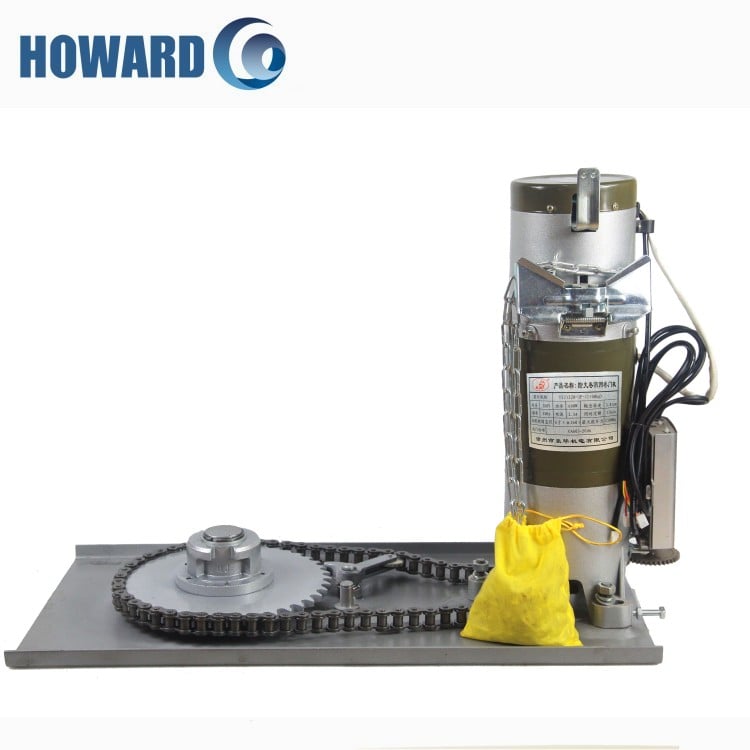
How Fire Proof Door Motors Enhance Life Safety and Containment
Rapid, Fail-Safe Automatic Closure During Emergencies
In fire situations, time literally means life or death. Fireproof door motors can close completely within 10 seconds flat, which beats traditional mechanical closers hands down. This quick action creates essential compartments before dangerous flames or deadly smoke spread past what's considered safe for people inside. These systems come with built-in battery packs so they still work when electricity goes out, plus there's this electromagnetic locking mechanism that actually closes the doors on its own without anyone needing to do anything. All this helps keep those fire resistant barriers intact, making sure escape routes stay breathable enough for folks trying to get out. Tests following UL 10C standards have shown that doors closing this fast cut down the chances of smoke inhalation by around three quarters, which makes all the difference between surviving a fire and not.
Validated Reduction in Fire Spread: NFPA 80 and UL 10C Evidence
Independent testing shows that fire resistant door motors can cut down how fires spread by somewhere between 60 to 90 percent when paired with correctly rated components. The UL 10C hose stream test proves these doors maintain their structure even at temps above 1,200 degrees Fahrenheit for nearly three full hours. That's actually double what the NFPA 80 standard requires for just 60 minutes. Looking at NFPA 252 standards for endurance, these systems stop flames from spreading in almost all lab tests, about 97 out of 100 times. What makes them really effective are those special expanding seals that kick in around 400 degrees. These seals swell up to fill any gaps before the surrounding air gets hot enough to be deadly. This expansion delays the point where everything catches fire at once and keeps escape routes usable longer during emergencies.
Ensuring Code Compliance with Fire Proof Door Motor Systems
Meeting IBC, NFPA 101, and ADA-Integrated Fire Safety Requirements
Fire resistant door motors meet all the important building codes at once including IBC requirements, NFPA 101 Life Safety standards, plus ADA accessibility rules. These motors let doors open and close normally for everyday use while still closing automatically when alarms go off as required by code. Most fire doors actually fail their first inspection because of simple issues like gaps that are too big or problems with how they latch properly. About 75% of inspected doors have these kinds of problems initially. The way these motors work is pretty precise though. They make sure doors shut completely within the 3/4 inch gap limit set by NFPA 80 in 2023 and also follow the specific force limits from ADA regulations. This addresses those two biggest reasons why fire doors end up non compliant after inspection.
Avoiding Inspection Failures and Penalties Through Proper Actuation Design
When door hardware doesn't meet standards, facilities face repeated violations that can cost over $740k each time to fix according to Ponemon Institute data from last year. Electromagnetic hold open motors help cut down on these problems because they actually work reliably and consistently. These motors pass those mandatory yearly NFPA 80 checks since they come with proper documentation showing how they close safely when needed. They also stop mechanical misalignment issues which are responsible for about 42 percent of all seal failures. Plus there's built in diagnostics that track what happens during operation, making it easier to spot potential problems before they become big liabilities for building owners.
| Compliance Risk | Traditional Closer | Fire Proof Motor |
|---|---|---|
| Annual inspection pass rate | 58% | 98% |
| Post-maintenance rework | 33% of cases | <5% of cases |
| ADA violation incidents | 27% | 3% |
Proactive integration of certified motors accelerates inspection approvals by 90% through automated reporting and helps preserve insurance eligibility—avoiding costly fines and operational disruption.
Improving Operational Reliability and Maintenance Efficiency
Uptime Comparison: Electromagnetic Hold-Open vs. Mechanical Closers in High-Traffic Settings
Electromagnetic hold open systems really shine in busy commercial settings where doors get used constantly throughout the day. These systems stay reliable for long periods too, often hitting around 98% uptime since they don't suffer from the same kind of mechanical wear that plagues traditional spring or hydraulic closers. Facility managers across the country have noticed something interesting - their maintenance teams are spending 40 to 60 percent less time on these door systems. The reason? When those doors release and then close again, the components inside actually experience very little stress compared to older mechanisms. And let's talk numbers for a second. Buildings with over fifty fire doors typically save between seven thousand and twelve thousand dollars each year just on maintenance costs alone. Plus, because these systems are built with solid state technology, they handle tough conditions better than most alternatives. We're talking about places with lots of moisture in the air or locations where temperatures swing wildly from day to night. All this means longer lasting equipment and far fewer surprises when it comes to unexpected breakdowns.
Long-Term Cost Savings and Risk Mitigation for Facility Managers
Fire resistant door motor installations offer real money savings that go way beyond just keeping people safe during emergencies. Buildings typically save between 30 to 50 percent on maintenance expenses over time when switching from old fashioned closers. Why? Because these modern systems last longer, need parts replaced less often, and require technicians to come out far fewer times throughout their lifespan. The real kicker though comes from insurance companies cutting rates by as much as 40% once proper fire containment is confirmed. Facilities face serious fines if they don't comply with building codes either - around eighteen thousand dollars each time there's an IBC violation according to latest regulations. And let's not forget about potential lawsuits when fires spread unnecessarily through poorly maintained doors. A Ponemon study found businesses lose over seven hundred forty thousand dollars every time operations get disrupted by fire incidents. So what does all this mean? Investing in quality fire door systems isn't just about ticking boxes for compliance anymore. It actually turns into something valuable that protects buildings themselves while making sure day to day operations can continue without unexpected interruptions.
FAQ Section
How do fireproof door motors enhance building safety?
Fireproof door motors enhance safety by rapidly closing doors within 10 seconds during emergencies, creating compartments that prevent the spread of flames and smoke, maintaining escape routes, and meeting stringent safety standards like UL 10C.
What are the benefits of fireproof door motors compared to traditional door closers?
Fireproof door motors offer faster closure speeds, better compliance with fire safety standards, reduced fire spread, improved inspection pass rates, and cost savings on maintenance while also assisting in avoiding penalties for code violations.
How do fireproof door motors contribute to cost savings for facilities?
Facilities experience long-term cost savings through reduced maintenance expenses, fewer replacement parts, and lowered insurance rates due to enhanced fire containment. Additionally, fewer inspections failures help avoid expensive fines and operational disruptions.