
 EN
EN
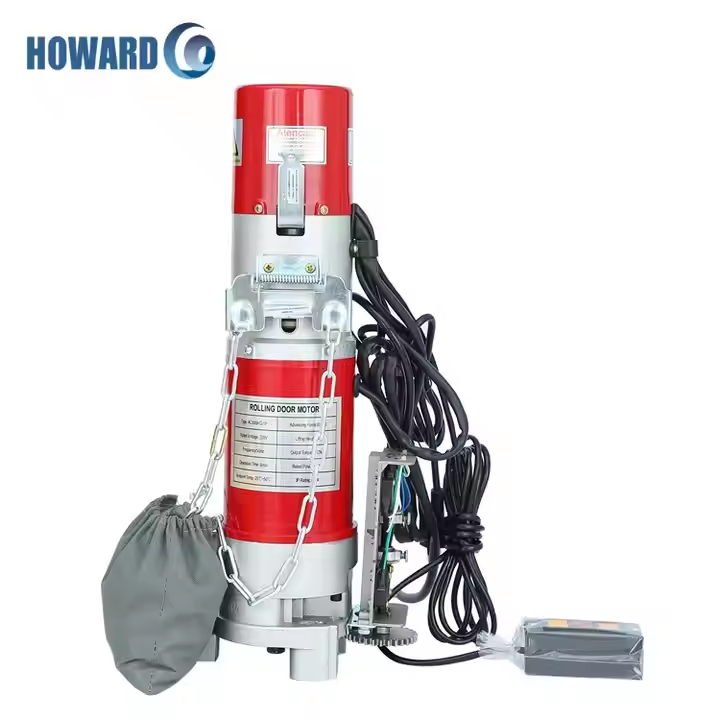
Determine Power and Lifting Capacity Based on Door Specifications
Calculating Required Torque (Nm) from Door Weight, Height, and Material Density
Getting the right torque calculation really helps avoid putting too much stress on motors and stopping them from breaking down early. The basic math goes something like this: multiply the door's weight in kilograms by gravity (about 9.8 meters per second squared) and then by the drum radius in meters. What material we're dealing with makes a big difference too. Steel doors are pretty heavy stuff since they pack in around 7850 kg per cubic meter. That means steel doors need roughly 30 percent more torque compared to lighter options like aluminum at 2700 kg per cubic meter or fiberglass. Take a steel door that's 3 meters high and 4 meters wide. If it weighs about 400 kg and has a drum radius of 0.2 meters, we're looking at somewhere near 784 Newton meters of torque. Most engineers would suggest going for about 15 to 20 percent extra capacity just to cover those inevitable things like friction over time, normal wear and tear, and building in some safety buffer for unexpected situations.
| Factor | Impact on Torque | Calculation Adjustment |
|---|---|---|
| Height | Increases force lever arm | Apply height coefficient only when calculating effective load moment |
| Density | Directly proportional to mass | Add 25–40% torque margin for steel vs. lightweight composites |
| Drum Size | Critical multiplier | Measure exact radius during installation–errors here compound torque miscalculations |
Horsepower vs. Duty Cycle: Matching Rolling Door Motor Output to Daily Usage Patterns
Choosing the right horsepower isn't just about how heavy the door is but really comes down to how much it gets used day after day. For places where doors open and close less than fifty times each day, half horsepower motors work fine for most light commercial settings. But when we're talking about busy warehouses where doors might swing open two hundred times or more every single day, then one to two horsepower units become necessary, especially ones designed for constant running or heavy duty tasks. The duty cycle matters too because that's basically how long the motor runs compared to the whole cycle time. Motors rated at only twenty percent duty, which means they can run around twelve minutes out of every hour, simply won't hold up in those hectic loading dock areas where doors are constantly moving back and forth all day long. When selecting motor power, make sure to consider these three main aspects alongside the horsepower rating itself.
- Cycle Rating: Industrial applications demand ≥30 starts/hour capability
- Load Profile: Frequent start/stop cycles increase peak power demand by up to 40%
- Ambient Conditions: Temperatures above 40°C or below –10°C can derate output by 10–15%
Continuous-duty motors are optimal for high-frequency operations; standard intermittent-duty models remain cost-effective for low-usage facilities.
Assess Physical Installation Requirements and Compatibility
Measuring Sideroom, Headroom, and Balance to Prevent Retrofitting or Motor Strain
Getting accurate measurements for sideroom space, headroom clearance, and door balance matters a lot when installing rolling door motors. If there's not enough sideroom space around the door (usually needs about 12 to 18 inches), it messes up how the tracks align and makes mounting the motor tricky. Not having sufficient headroom above the door can lead to dangerous situations when the door retracts into place. To check if the door is balanced correctly, try lifting it halfway by hand. A well balanced door should stay put at that midpoint without sliding up or down on its own. According to industry reports, doors that aren't balanced right put extra strain on the motor, roughly 40% more stress, which cuts down on motor lifespan by two to three years. Don't forget to look at whether the walls or ceiling where the motor will be mounted can actually hold up under both the weight of the motor itself plus all the movement forces during operation. Taking these precautions upfront saves money in the long run and keeps the motor running smoothly inside its intended performance range.
Choose the Optimal Rolling Door Motor Type for Your Application
Trolley Motors for Standard Vertical Lifts with Space Constraints
Trolley motors provide dependable vertical lifting through their direct chain drive system, which was designed mainly for those standard commercial rolling doors that need to fit into tight overhead spaces. The whole unit is pretty compact and actually fits right inside the door header area, so it doesn't take up much extra room on the sides. This makes them work really well for places like retail stores or small industrial facilities where doors might open and close between fifty to a hundred times each day. Built with galvanized steel parts and featuring thermal protection on the gears, these motors can manage doors weighing as much as 1,500 pounds or around 680 kilograms. What's great about this setup is how it manages to be both tough enough for regular use while still keeping things space efficient in installations where every inch counts.
Jackshaft Motors for Heavy-Duty Industrial Roll-Ups and Side-Mount Installations
Jackshaft motors work really well in tough industrial environments because they have this special side-mounted system that transmits torque to open those super heavy roll-up doors weighing over 3,000 pounds. Instead of lifting the door straight up, these motors turn the actual shaft, so there's no need for those overhead tracks that take up precious headroom space in buildings where ceilings are already tight. These motors can handle more than 200 door operations every single day without breaking a sweat. Plus, they fit right into fire rated door systems and come ready to work with backup power options when needed. What makes them stand out even more is their IP65 rating which means the whole unit is sealed against dust, water, and rust. That kind of protection makes them perfect for dirty manufacturing floors and busy loading areas where regular maintenance would be a nightmare otherwise.
Verify Critical Safety, Security, and Emergency Compliance Features
EN 13241-1 Auto-Reverse Sensitivity and Rolling Code Encryption for Secure Access
Safety is absolutely critical when it comes to industrial rolling doors, which is why they need proper obstruction detection systems to avoid serious crushing injuries. According to the EN 13241-1 standard, these doors should reverse direction within just 0.3 seconds if they encounter anything applying even 20 kg of force against them. This requirement isn't optional at all for workers who spend time around active loading areas where accidents can happen fast. On top of this mechanical protection, modern doors also use rolling code encryption technology. Each time someone operates the door remotely, a new unique signal gets generated, making it impossible for thieves to exploit those old fixed frequency remote vulnerabilities we used to see back in the day. The combination of quick mechanical response and smart security features has proven really effective too. Real world data from Europe shows these systems stop intrusions about 99.7% of the time according to last year's Security Hardware Journal report.
Fail-Safe Manual Release, LED Status Lighting, and Backup Power Readiness
Power loss or electronic failure demands immediate, intuitive manual override. Leading systems include:
- Tool-free manual release mechanisms accessible without technical training
- High-visibility LED indicators showing real-time door position and diagnostic fault codes
- Integrated battery backups supporting ≥72 hours of standby monitoring and emergency operation
This compliance triad meets NFPA 80 requirements for emergency egress while maintaining security continuity during outages–a critical safeguard for cold storage and pharmaceutical facilities, where temperature excursions risk losses exceeding $740,000 (Ponemon Institute, 2023). Quarterly backup readiness testing–including capacitor verification during primary-to-backup transitions–is strongly recommended.
FAQ
1. How do I calculate the required torque for my rolling door?
To calculate the required torque, multiply your door's weight in kilograms by gravity (9.8 m/s²) and the drum radius in meters. Materials like steel need 30% more torque than aluminum.
2. How do I choose the right horsepower for my door motor?
Choose horsepower based on daily usage. Light commercial use (under 50 cycles/day) requires half horsepower, whereas busy warehouses need one to two horsepower motors for high-frequency operations.
3. What are the physical installation requirements for door motors?
Ensure adequate sideroom (12–18 inches), sufficient headroom, and balanced doors. Proper measurements prevent strain and extend motor lifespan.
4. What safety features should industrial doors have?
Industrial doors should have obstruction detection systems for auto-reversal and rolling code encryption for secure remote access.