
 EN
EN
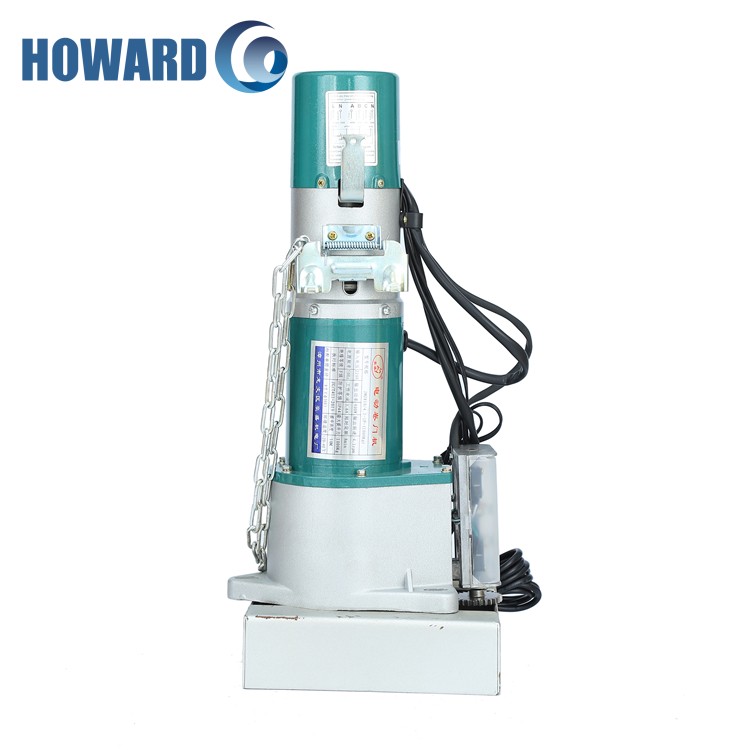
How Extreme Temperatures Impact Roller Door Motor Performance and Lifespan
Cold-Induced Torque Loss and Lubricant Failure Below 0°C
When temps drop below freezing, regular oil-based lubricants get really thick, sometimes increasing internal friction threefold or more. The change in viscosity basically leaves bearings and gears without their protective layer, and motors need about 40 to 60 percent extra torque just to start up properly. Equipment that doesn't have proper cold weather grease tends to wear out much faster. We've seen many units break down after only two or three winters in areas where temperatures regularly hit minus ten degrees Celsius. While there are Arctic grade synthetics that work down to minus forty degrees, most home systems rely on cheaper options that turn to sludge when it gets below minus seven. As metals shrink in the cold, these poor quality lubricants actually contribute to tiny cracks forming in motor casings. These cracks let moisture seep in during warm periods, which leads to rust problems and eventually causes insulation failures over time.
Thermal Degradation of Windings and Insulation Above 45°C Ambient
When motors run consistently above 45 degrees Celsius, their windings start suffering serious damage that can't be undone. Industry experts have long followed what they call the "10 degree rule" where each additional 10 degrees beyond the rated temperature basically cuts the insulation's lifespan in half. Take Class F insulation for example, which is supposed to handle up to 155 degrees. If such motors operate continuously in environments around 65 degrees Celsius, instead of lasting the expected 20 years, they might fail completely within just five years. This kind of overheating leads to two main problems that manufacturers need to watch out for:
- Enamel Cracking: Wire coatings embrittle, causing turn-to-turn shorts detectable via resistance testing
- Resin Migration: Varnish binders liquefy and drip, creating voids in slot insulation
Ambient heat above 50°C also reduces magnetic flux density in permanent magnet motors by 0.2% per °C—directly lowering torque output. In coastal installations, salt deposits on windings create thermal hotspots that accelerate insulation breakdown by 300% compared to clean environments.
Moisture, Corrosion, and Ingress Protection for Roller Door Motors
Decoding IP Ratings: Why IP66 Is Critical for Coastal and High-Humidity Sites
Moisture protection matters a lot for roller door motors operating in tough conditions. The IP rating system tells us how well they stand up against stuff getting inside. These ratings have two numbers showing what kind of solid particles and liquids the motor can handle. Coastal areas or places with lots of humidity need at least IP66 protection. Why? Because this rating means no dust gets through and the motor can handle strong water jets without problems. Cheaper seals just don't cut it though. Salt filled air sneaks in over time, causing rust inside and damaging the windings way before anyone notices anything wrong on the outside. Most people get away with IP54 ratings for their garage doors if they live somewhere dry and protected from the elements. But when faced with heavy rain storms, salty ocean mist, or constant dampness, nothing beats IP66 for keeping those motors running reliably without electrical issues down the road.
Galvanic Corrosion Risks in Mixed-Metal Assemblies Under Salt-Air Exposure
When roller door motors get exposed to salt, they suffer worse from what we call galvanic corrosion. This happens mainly when aluminum parts touch steel components like shafts, bolts, or brackets. The chemical reaction between these different metals eats away at them much faster than normal rust would, especially around coastal areas where there's lots of salt in the air. Most breakdowns start right at the bearings, where things are mounted, and inside the gears themselves. To prevent this mess, manufacturers need to check if their materials work together properly first. Adding insulating layers between metal parts helps stop the electricity from flowing through them. Nylon washers and rubber seals are good options here. For those already dealing with this problem, look closely at bolt heads and other connection points during routine checks. If you spot small pits or see white powder forming, that means the corrosion is still happening actively and needs attention before it gets too bad.
Material Selection and Housing Design for Long-Term Roller Door Motor Durability
Anodised Aluminium vs. Stainless Steel Enclosures: Balancing Weight, Cost, and Corrosion Resistance
Housing material choice directly dictates motor longevity in demanding environments. Anodised aluminium offers a 40% weight advantage over stainless steel—reducing mechanical strain on mounting systems and simplifying installation. However, stainless steel delivers superior structural resilience in high-impact zones like loading docks.
Corrosion resistance diverges sharply:
- Anodised aluminium forms a stable oxide layer effective against humidity—but degrades rapidly under salt spray
- 316-grade stainless steel withstands accelerated salt spray testing beyond 1,000 hours without failure, making it the benchmark for coastal or industrial marine applications
Stainless steel enclosures do come with about 30 percent more expense at the start compared to alternatives, but when looking at the big picture over time, they actually end up costing less overall in environments where corrosion is a problem. This happens because these enclosures last longer between maintenance checks and don't need replacing as often. When it comes to temperature management, aluminum has this advantage of conducting heat well, so it naturally dissipates warmth better. Stainless steel isn't quite as good at this, which means some extra cooling solutions might be needed when things get really hot around the facility. Facilities that want equipment to keep running reliably for many years tend to go with stainless steel even though it weighs more and costs more initially. Most experienced engineers will tell anyone who asks that the long term benefits usually outweigh those initial expenses.
Proactive Maintenance Strategies to Sustain Roller Door Motor Reliability Year-Round
Pre-Season Inspection Checklist: Seals, Drainage, Condensation Control, and Electrical Integrity
A structured pre-season inspection prevents 73% of weather-related motor failures in industrial settings. Conduct this 30-minute protocol before winter and summer peaks:
- Seal Integrity: Inspect perimeter and shaft seals for cracking or brittleness—especially after freeze-thaw cycles. Compromised seals are the leading entry point for moisture in coastal and humid regions.
- Drainage Paths: Clear debris from housing vents and drainage channels. Blocked pathways cause water pooling, which shortens winding insulation lifespan by up to 40% (Industrial Electromechanics Journal, 2023).
- Condensation Management: Verify desiccant breathers are functional; replace saturated units immediately. Even IP66-rated enclosures cannot prevent internal corrosion if humidity stagnates inside.
- Electrical Systems: Test terminal tightness and insulation resistance. Loose connections increase localized resistance—and heat—which degrades contacts and insulation over time.
Consistent execution of this checklist reduces unplanned downtime by 58% and meaningfully extends service life across temperature-extreme environments.
FAQ
What factors can cause roller door motors to fail in extreme cold?
In extreme cold, lubricants thicken, increasing friction and making motors work harder, which leads to potential failures. Cold temperatures also cause metals to shrink, leading to cracks and moisture infiltration.
How does high temperature affect roller door motors?
High temperatures can damage motor windings and shorten insulation lifespan, causing motors to fail faster. This is exacerbated by increased temperatures in environments beyond what the motor's insulation can handle.
Why is IP66 protection important for roller door motors in coastal areas?
IP66 protection ensures that motors are dust-tight and can withstand strong water jets, which is crucial in coastal areas due to high humidity and salt exposure, which can otherwise cause rust and electrical issues.
What is galvanic corrosion and how can it be prevented in roller door motors?
Galvanic corrosion occurs when different metals, like aluminum and steel, interact, especially in salt-air environments. Prevention includes using insulating layers between metals, such as nylon washers and rubber seals.
How does the choice of housing material affect the longevity of roller door motors?
Stainless steel enclosures, though heavier and more expensive, offer better resilience and longevity against corrosion compared to anodised aluminium, particularly in harsh environments.
Table of Contents
- How Extreme Temperatures Impact Roller Door Motor Performance and Lifespan
- Moisture, Corrosion, and Ingress Protection for Roller Door Motors
- Material Selection and Housing Design for Long-Term Roller Door Motor Durability
- Proactive Maintenance Strategies to Sustain Roller Door Motor Reliability Year-Round
-
FAQ
- What factors can cause roller door motors to fail in extreme cold?
- How does high temperature affect roller door motors?
- Why is IP66 protection important for roller door motors in coastal areas?
- What is galvanic corrosion and how can it be prevented in roller door motors?
- How does the choice of housing material affect the longevity of roller door motors?