
 EN
EN
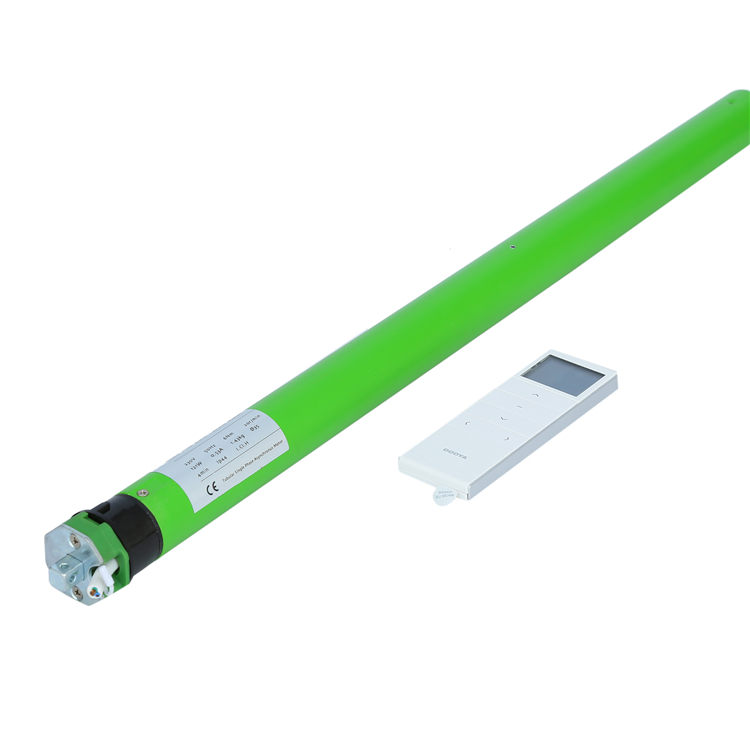
Jinsi ya Uwakilishi wa Mbali Unavyobadilisha Uendeshaji wa Motori ya Mfumo wa Mifupa
RF kuhusu IR kuhusu Iliyowekwa Kwa Waya: Kwa Nini Uwakilishi wa Mbali wa RF Ni Kiwango cha Kawaida kwa Motori za Mfumo wa Mifupa ya Kisasa
Viyenye mifumo ya kuchanganya (wired controls) huzuia chaguzi za kusimamisha na kufanya uwekaji kuwa ngumu, wakati vya infrared (IR) vinahitaji mwonekano wa moja kwa moja bila kuzuiliwa na kushindwa kufanya kazi kwa umbali zaidi ya mita 10. Teknolojia ya kifrekwenzi cha redio (RF) imekuwa kipindi cha kawaida katika sekta—inafikia kupitia ukuta, inafanya kazi kwa uaminifu kwa umbali zaidi ya mita 100, na inadumisha muunganisho wa kudumu hata kama kuna vifaa vya nyumbani, vikabati, au vikwazo vya miundo. RF inavoida ushindani kutokana na vifaa vya nyumbani vinavyotumika kawaida na inaruhusu mawasiliano ya mwelekeo mwingi (bidirectional communication), ikiruhusu watumiaji kuthibitisha nafasi ya pambamba kwa mbali. Uthabiti huu ndio sababu ya 78% ya wazalishaji wa pambamba za akili kusimamia kwa sasa kutumia kwa kawaida miongozo ya RF (Ripoti ya Teknolojia ya Nyumbani ya Akili 2024).
Kuunganisha, Umbali, na Usimamizi wa Motor Nyingi kupitia Mifumo ya Vitu vya Kudhibiti Kutoka Mbali ya Kimsingi
Vitu vya kudhibiti kutoka mbali ya kifrekwenzi cha redio (RF) ya kimsingi vinahakikisha usimamizi wa motor za mduara kupitia kujumuisha kwa urahisi kwa kitufe kimoja. Baada ya kujumuisha, kitufe kimoja kinaweza kuendesha motor mingi katika vyumba mbalimbali bila mgogoro wa ishara. Uwezo muhimu ni:
- Umbali ulioongezwa kuendelea kufanya kazi nje ya nyumba hadi umbali wa mita 150
- Mambo ya kikundi sawazisha vifungo vya kivuli 15+ kwa amri moja—k.m., "kufunga kivuli cha jioni"
- Uprogramu wa mazingira hifadhi mpangilio wa kuanza na kumaliza kwa jua moja kwa moja katika mbegu
Matumizi ya biashara hutumia uwezekano huu wa kuzidisha kwa mfumo wa kuvunja nuru katika hoteli kwa ushirikiano, wakati watumiaji wa nyumbani hupata udhibiti bila kuchafua. Baadhi ya modhuli za juu zinajumuisha sensa za unyevu ili kufunga vifungo vya kivuli kiotomatiki wakati ya mvua—kujiongezea ujumla wa mazingira bila kutumia vifaa vingine.
Uingizwaji wa Kazi ya Muda kwa Mpangilio Otomatiki wa Vifungo vya Kivuli
Uthibitisho wa Muda wa Ndani, Ufanisi wa Nishati, na Kumbukumbu ya Nafasi ya Usalama
Moto za kipindi cha kisasa zinaweza kufanya muda wa kila siku kwa usahihi wa ±30 sekunde kwa kutumia miisho ya kikwambo—hivyo kuhakikisha kwamba vifungo vinahamia kwa usahihi wakati uliopangwa. Uthabiti huu unasaidia kuhifadhi nishati: kwa kufanana na uwekaji wa vifungo na wakati wa joto la jua lililokuwa linapofikia juu, mpangilio wa kiotomatiki hupunguza mzigo wa mfumo wa uvimbe na unaweza kupunguza gharama za uvimbe hadi asilimia 25 katika vyumba vilivyopandwa na jua. Vifungo vya kuvunja vya umeme vinavyotengenezwa ndani vinatoa nguvu ya mkononi kwa muda wa saa 72 wakati wa kupungua kwa umeme, hivyo kuhifadhi kumbukumbu ya nafasi ya kushindwa ambayo inawezesha vifungo kurejea kwenye hali ya wazi kwa usalama—kuzuia kujazwa au mchanga wa kiashiria. Tofauti na mizani rahisi, mfumo huu hutumia mizani ya kijamii kwa upimaji wa kiotomatiki wa kuzunguka kwa kipindi cha mwaka, hivyo kutekeleza mabadiliko ya mikono.
Mifumo ya Nyumbani dhidi ya Mipangilio ya Kipindi cha Biashara
| Aina ya Maombi | Vipengele Vikuu vya Mpangilio | Matumizi Makuu |
|---|---|---|
| Kupunguza mahali pa kwanza | Kufanana na muda wa kuanza/kumaliza kwa jua, mifumo ya likizo | Mifumo ya faragha, ulinzi wa UV, uhifadhi wa nishati |
| Uzao | Mpangilio wa kipindi cha eneo zaidi, kubadilisha kwa siku ya taarifa | Kukusanya nuru ya mchana, utii wa sheria za usalama |
Mifumo ya nyumba inaonyesha urahisi—kufunga kwa kutumia mwezi wa kusimama kwa ajili ya faragha, na kuvunja kwa kutumia mwezi wa kuchemsha kwa ajili ya nuru ya asili ya kuzisikia. Mazingira ya biashara inahitaji ushirikiano wa kina: majengo ya ofisi huweka muda tofauti wa harakati za vichubu kwenye uso wa jengo ili kusawazisha udhibiti wa nuru ya moto na utumizi wa nuru ya asili; nafasi za biashara huweka muda wa kuvunja madirisha kwa ajili ya kuona bidhaa kwa njia bora zaidi. Wote hufanya matumizi ya mantiki ya kubadilishwa ili kuzima mpangilio wakati wa upepo mkali au hali ya hewa kali—kudumisha vichubu vya nje kutokana na uvunjivu.
Uwezekano wa Kuunganishwa na Ecosystem ya Akili: Kuongeza Udhibiti wa Motor ya Kipande Kupita Kwa Mabaini ya Peke Yake
Uunganisho wa Z-Wave, Matter, na Home Assistant kwa Udhibiti wa Nyumbani Akili Umoja
Mashine za kuzunguka za leo zinajumuisha kwa namna ya asili na miongozo ya wazi kama Home Assistant na viwakilishi vya uwezekano wa kushirikiana pamoja na Z-Wave na Matter—kubadilisha vifaa vilivyotengwa kuwa vituo vya akili ndani ya miongozo ya nyumba ya akili yenye muundo moja. Hii inawezesha majibu ya pamoja katika mifumo ya nuru, HVAC, na usalama. Kwa mfano, visensori vya nuru ya mazingira vinaweza kusababisha mapafu kuchukua chini wakati kuboresha joto la chumba—kuboresha urahisi na matumizi ya nishati bila kuingiza vyakilichavyo kwa mikono. Uwezekano wa kufanya kazi pamoja wa brand mbalimbali kwa kutumia Matter unahakikisha mawasiliano ya ufanisi kupitia watazamishi zaidi ya 40 waliobainishwa, na kufuta vifungo vya kibinafsi. Wakati huo, mtandao wa Z-Wave wenye nguvu ya chini unaotumia mtandao wa mesh unatoa ukubwa wa kudumu wa nyumba nzima—ni jambo muhimu kwa sehemu za motor zinazotumia betri. Uunganisho huu unasaidia utendaji wa kiotomatiki kizuri kama vile kufungua milango ya kisogo kwa mchanga au kuanza hali ya kuondoka nyumbani kwa kutumia eneo la kigeofencing, ikitoa moto za kisogo kama vituo vya kujibu na vya kuelewa muktadha katika mahali ya kujifunza ya kisasa.
Moto za DC za Mfumo wa Mifupa: Faida za Utendaji kwa Matumizi ya Mbali na Matumizi yanayotarajiwa kwa Muda
Moto za DC za mfumo wa mifupa zinatoa uhakika, uj response, na ufanisi wa nishati kwa kujitawala kwa vitambaa vya kufungua/kuvunja kwa njia ya kiuchumi kuliko moto za AC. Utoaji wa nguvu ya kudumu (10–50 Nm) unahakikisha utendaji bora chini ya amri za mbali mara kwa mara au mzunguko wa kawaida unaotarajiwa kwa muda. Faida kuu ni:
| MAELEZO | Faida kwa Kujitawala | IMPACT |
|---|---|---|
| Kasi (10–20 RPM) | Mvuto wa kusisimua, bila vibebi | Huzuia uvunjaji wa kitambaa cha kufungua/kuvunja |
| Kiwango cha Sauti (35–50 dB) | Ufisadi wa Usiozi | Bora sana kwa mazingira ya nyumbani |
| Mzunguko wa Kazi (4–6 dakika) | Kufanya kazi ya kawaida kwa muda mrefu | Inasaidia mzunguko wa siku zaidi ya 6 |
| Utaratibu wa IP44–IP65 | Uhimili wa Hali ya Hewa | Inaruhusu uwekaji nje ya majengo |
Uwakilishi wa kasi kwa usahihi unaruhusu uwekaji sahihi kwa mifumo ya kuanza na kumaliza kwa mchana/uso wa jua, pamoja na utumizi wa umeme chini ya 40% — ikilinganishwa na mita motor ya AC (Utafiti wa Kielelezo cha Ufanisi wa 2025) — unapongeza muda wa maisha ya betri katika mifumo isiyo na waya. Uunganisho huu wa usahihi, uwezekano wa kubaki muda mrefu, na ufanisi unafanya mita motor za DC za aina ya tubular kuwa msingi bora zaidi kwa matumizi ya kuzima kwa kutumia teknolojia ya kiotomatiki inayotegemea udhibiti kwa mbio au kwa mpangilio.
Maswali Yanayoulizwa Mara kwa Mara
Ni nini faida kuu za udhibiti wa mbio kwa kutumia RF kwa mita motor ya aina ya tubular?
Vipengele vya udhibiti kwa RF vinakabiliana na mapungufu ya udhibiti wa kawaida na wa IR kwa kutoa umbali mkubwa zaidi (zaidi ya 100 mita), uwezo wa kupenya madhara ya ukuta na vikwazo, na ustahili mzuri zaidi dhidi ya mgandamizo kutoka kwa vitu vingine. Hivyo ndivyo vimekuwa kama kigezo cha sekta kwa udhibiti wa kuzima kwa kutumia teknolojia ya kisasa.
Vipimo vya wakati vinavyofanya mtumizi wa umeme kuwa wa kifaa katika mita motor ya aina ya tubular?
Mizani ya wakati hufanya kazi ya pambamba kufanana na upatikanaji wa joto la jua na kutoweka kwa joto, kuboresha ufanisi wa mfumo wa HVAC na kupunguza gharama za kukaribia. Ufafanuzi wa wakati kwa usahihi unapunguza uvurugu wa nishati kwa kutumia pambamba kwa kutoa majibu ya kiotomatiki kwa mabadiliko ya nuru na joto.
Je, moto za DC zina jukumu gani katika utawala wa mistari?
Moto za DC zinatoa harakati za kusisimua, zenye usahihi na ufanisi bora wa nishati kuliko moto za AC. Sifa hizi zinazofanya zizitumike vizuri katika mfumo wa pambamba ya kiotomatiki na ya udhibiti wa mbali, zote katika mazingira ya nyumbani na ya biashara.
Je, moto za mistari zinaweza kuunganishwa na mfumo wa nyumbani ya akili?
Ndiyo, moto nyingi za mistari zinaweza kuunganishwa na miongozo kama Home Assistant na viwango kama Z-Wave na Matter. Hii inaruhusu uunganisho na vifaa vingine vya nyumbani ya akili kwa ajili ya uendeshaji wa kiotomatiki na kwa pamoja.
Je, kuna tofauti gani katika mpangilio wa wakati kati ya mazingira ya nyumbani na ya biashara?
Ratiba za nyumba zinazingatia faragha na uokoa wa nishati, kama vile kuvunja vikwazo wakati wa kuzaliwa kwa jua na kufunga vikwazo wakati wa kutupwa kwa jua. Mifumo ya biashara inazingatia utaratibu wa eneo mbalimbali na uwekaji kwa umahiri wa nuru ya jua kwa ajili ya ufanisi, pamoja na uruhusa wa kubadilisha ratiba wakati wa likizo au hali ya hewa kali.
Orodha ya Maudhui
- Jinsi ya Uwakilishi wa Mbali Unavyobadilisha Uendeshaji wa Motori ya Mfumo wa Mifupa
- Uingizwaji wa Kazi ya Muda kwa Mpangilio Otomatiki wa Vifungo vya Kivuli
- Uwezekano wa Kuunganishwa na Ecosystem ya Akili: Kuongeza Udhibiti wa Motor ya Kipande Kupita Kwa Mabaini ya Peke Yake
- Moto za DC za Mfumo wa Mifupa: Faida za Utendaji kwa Matumizi ya Mbali na Matumizi yanayotarajiwa kwa Muda
-
Maswali Yanayoulizwa Mara kwa Mara
- Ni nini faida kuu za udhibiti wa mbio kwa kutumia RF kwa mita motor ya aina ya tubular?
- Vipimo vya wakati vinavyofanya mtumizi wa umeme kuwa wa kifaa katika mita motor ya aina ya tubular?
- Je, moto za DC zina jukumu gani katika utawala wa mistari?
- Je, moto za mistari zinaweza kuunganishwa na mfumo wa nyumbani ya akili?
- Je, kuna tofauti gani katika mpangilio wa wakati kati ya mazingira ya nyumbani na ya biashara?