
 EN
EN
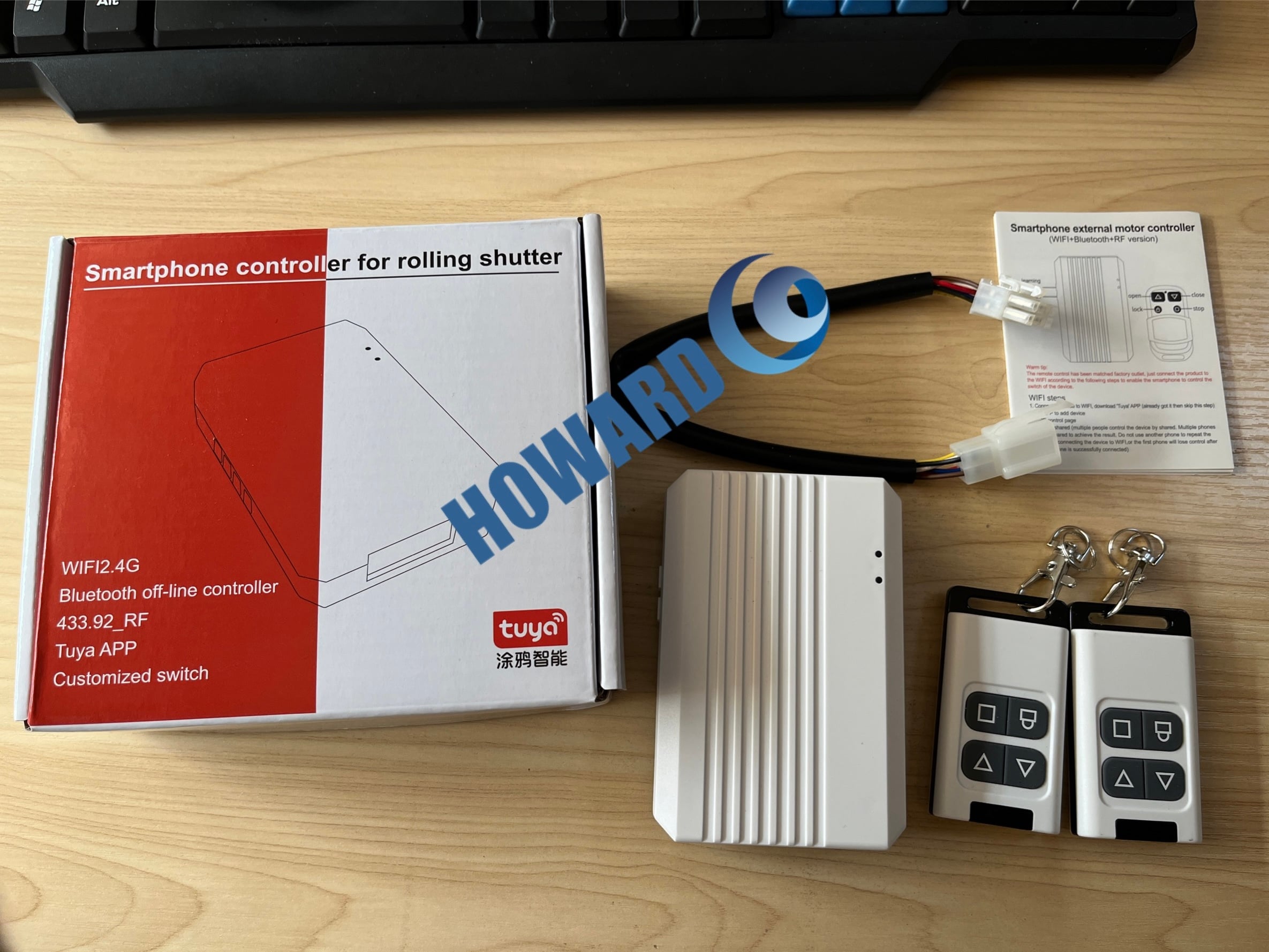
The Evolution and Advantages of WiFi Remote Control Systems
From Infrared to Long-Range Wireless: A Technological Shift
Switching from infrared (IR) to WiFi based remote controls represents a major leap forward in wireless tech. Older IR systems needed clear sight lines between devices and had trouble working past about 30 feet away, which made them pretty useless for most industrial settings or large infrastructure projects. Today's WiFi remotes fix this problem by sending signals in all directions at once, so they work reliably even when there are walls or equipment blocking the path. The move makes sense given what manufacturers want these days - something that scales well and doesn't lock them into proprietary formats. A recent 2023 report on wireless automation actually showed that around 62 percent of companies using heavy machinery have switched to WiFi instead of old school IR systems. That number tells us something about where the industry is heading.
Key Innovations Enabling 5000-Meter Operational Range
Three breakthroughs power today's long-range capabilities:
- Multi-frequency integration: Combines 2.4 GHz and 5 GHz bands to bypass interference
- Adaptive signal bridging: Automatically routes commands through secondary receivers in challenging terrain
- FHSS protocols: Frequency-hopping spread spectrum maintains <5 ms latency across 3.1+ miles
Field tests in mining operations demonstrate 99.4% signal reliability at maximum range—a 300% improvement over traditional RF alternatives.
Why WiFi Outperforms Traditional RF and IR in Range and Flexibility
WiFi's advantages stem from its dual-band architecture and IP-based communication:
| Factor | WiFi Systems | RF/IR Systems |
|---|---|---|
| Effective Range | 5000+ meters | ≤ 1000 meters |
| Obstruction Handling | Mesh-compatible | Line-of-sight only |
| Security | WPA3 encryption | Fixed-code pairing |
This technical superiority explains why 78% of industrial automation upgrades now prioritize WiFi remote control for crane operations, conveyor systems, and robotic arms requiring sub-10 ms response times.
How Long-Distance WiFi Remote Control Works: Core Technologies Explained
Multi-Frequency Integration and RF-WiFi Hybrid Systems
Today's WiFi remote controls work with both 2.4 GHz and 5 GHz bands plus old school RF signals to get the best of both worlds when it comes to signal strength and speed. The system can actually swap between these different frequencies depending on what's blocking the signal path, which really matters if the equipment needs to stay connected over rough ground or through buildings. Take factories for instance. Most factory managers prefer 5 GHz when they have big open spaces because it handles lots of data fast. But when working inside warehouses or other tight spaces where walls block signals, they switch to 2.4 GHz since it gets through better. Some recent research from the Wireless Communication field shows these mixed frequency setups cut down signal loss problems by around two thirds in underground mining operations versus just using one frequency band.
Frequency Hopping Spread Spectrum for Signal Stability
Advanced systems employ FHSS (Frequency Hopping Spread Spectrum) to dynamically shift channels 1,600 times per second, minimizing interference from Bluetooth, microwaves, or other RF devices. This technology enables real-time signal optimization even in dense urban environments where up to 35 overlapping wireless networks may exist.
Wi-Fi Enabled Receivers and Adaptive Signal Bridging
Purpose-built receivers now feature adaptive protocols that convert WiFi commands into legacy control signals (e.g., RS-485, CAN bus), enabling retrofitting of industrial machinery without infrastructure overhauls. These bridges maintain <15 ms latency when translating 256-bit encrypted packets—a 40% improvement over earlier Zigbee-based converters.
Ensuring Reliability in Industrial and Remote Environments
Robustness is achieved through IP67-rated housings, -40°C to 85°C operational tolerances, and military-grade authentication protocols that prevent unauthorized access. Field tests in offshore wind farms demonstrated 99.98% signal integrity over 18-month periods despite saltwater corrosion and constant vibration.
Real-World Applications in Industrial Automation and Infrastructure
WiFi Remote Control in Large-Scale Mining and Energy Operations
WiFi-based remote controls are transforming how mining operations work today. These systems manage everything from haul trucks to drilling equipment throughout vast 5,000 meter zones without needing direct line of sight like old RF systems did. The latest numbers from the Industrial Automation Report show something pretty impressive too: when deployed in tough mountain terrain, these setups cut down on machine adjustment delays by around two thirds. Energy firms have started using similar tech for switching substations over areas spanning 30 to 50 square kilometers. What's remarkable is that they maintain nearly flawless operation at 99.97% uptime even when there's lots of interference around. This matters a lot for those hard to reach oil and gas sites where conventional RF repeater networks just can't keep up with demand anymore.
Performance Metrics: Range, Latency, Uptime, and Interference Management
WiFi remote controls used in industrial settings can reach distances of around 4,800 to 5,200 meters outdoors, with response times below 15 milliseconds. That's about 86 percent quicker compared to older RF systems. The signal stays stable most of the time even when close to high voltage machinery, thanks to something called adaptive frequency hopping technology. This helps avoid problems caused by other devices on the same 2.4GHz and 5GHz frequencies commonly found in factories these days. Because of this dependable performance, many facilities find they meet the strict requirements set forth by Tier 4 data centers regarding system failures. For places running robots and conveyor belts nonstop across multiple shifts, having such reliable control makes all the difference in keeping production lines moving smoothly day after day.
Cost-Benefit vs. Wired and Short-Range RF Alternatives
Switching to WiFi remote systems can slash infrastructure costs anywhere from 40 to 60 percent when compared to traditional wired setups because there's no need for expensive fiber-optic cables running everywhere. Maintenance bills drop dramatically too, saving between eighteen thousand and thirty-five thousand dollars each year at individual sites. This is especially true when looking at RF systems that constantly need those annoying signal repeaters scattered throughout facilities. Plus, these wireless solutions let managers control several different locations all from one central point using their existing network infrastructure. According to research done by the Ponemon Institute, about seven out of ten industrial operators actually got their money back on installing WiFi systems within just fourteen months. The savings come mainly from less equipment breakdown time and fewer workers needed to maintain everything manually across multiple sites.
WiFi vs. RF Remote Systems: A Technical Comparison
Range, Bandwidth, and Latency Compared
Today's WiFi based remote controls can work over distances well beyond what most people expect, sometimes reaching over 5 kilometers in open spaces thanks to their ability to switch between frequencies and bridge signals adaptively. Traditional RF systems usually stop around the 1 kilometer mark. Although RF still has better penetration when signals need to go through thick walls or other obstacles, WiFi offers something completely different. The bandwidth is much higher too, roughly 10 to 20 times what RF provides, with some WiFi 6E setups hitting speeds near 3 gigabits per second. And latency? That's where WiFi really shines. Research from factories shows WiFi averages about 3.5 milliseconds response time compared to RF's typical 15-25 ms delay. This makes all the difference when controlling robots or running fast production lines where timing matters down to fractions of a second.
Security, Interference Resistance, and Network Scalability
Modern WiFi setups use WPA3 security plus dynamic frequency hopping to cut down on signal clashes by around 80-85% when compared to older fixed channel RF tech in busy 2.4 GHz environments. Most RF networks start having problems once there are more than fifty connected devices, but enterprise grade WiFi 7 can handle over a thousand devices at each access point thanks to something called OFDMA modulation. Looking at actual field data from smart grid installations shows that WiFi maintains near constant operation at about 99.99% availability, which beats out traditional RF systems that typically hover around 98.4% reliability according to industry reports. This kind of stability makes a big difference for critical infrastructure applications where even brief interruptions matter.
Enterprise Readiness: Why WiFi Scales Better for B2B Use
Cloud based management makes it possible to update firmware on thousands of WiFi controlled devices all at once something that just cant happen with those old school RF systems where someone has to go out and do each one manually. The built in TCP IP stuff in WiFi makes connecting to SCADA systems and IoT platforms much easier which cuts down on setup expenses by roughly 40 percent when compared to those RF to Ethernet bridge things people used before. When different companies test how well their products work together, WiFi setups typically hit about 98 point 7 percent accuracy for commands even when scaled up while RF only manages around 89 point 2 percent in installations with over 500 nodes.
Future Trends: IoT Integration and Next-Gen Long-Range Control
IoT and Smart Infrastructure: The Role of WiFi Remote Control
Wireless remote controls are now at the heart of creating those connected IoT environments we see popping up in smart cities and big industrial areas. Traditional radio frequency systems could only handle one device talking to another, but today's WiFi based controllers act as two-way command centers. They handle things like heating and cooling systems in office towers, help synchronize traffic lights so cars move smoother through intersections, and keep tabs on pipelines throughout power networks. What really makes these systems work better than older ones is something called edge computing. Instead of sending all that sensor info to distant servers, it gets processed right where it's collected. This cuts down wait times dramatically from around 90 milliseconds when using cloud services down to just 8 to 12 milliseconds. The difference might seem small, but for real time operations like controlling factory machinery or adjusting building temperatures, every fraction of a second counts.
According to the latest IoT Connectivity Report from 2024, we're seeing some pretty impressive improvements with 5G enabled WiFi remote devices. These new systems can actually handle about 20 percent more devices packed around each access point than what traditional RF networks could manage. That makes all the difference when running smart factories where there might be over 500 machines connected at once. The real advantage comes from this flexible infrastructure setup. Operators don't have to spend thousands on rewiring just to expand their automated processes. Municipal water treatment facilities are especially excited about this development as they try to modernize those old SCADA systems that have been in place for decades. The cost savings alone are making many facility managers rethink their entire approach to network upgrades.
Mesh Networking and Beyond: Toward Seamless Coverage
New generation communication systems are starting to tackle those pesky coverage issues by using self healing mesh networks that can find alternate signal paths when something blocks the way. Take underground mines for instance, regular 2.4GHz WiFi just doesn't cut it against all those solid rock walls. That's why many mines now run hybrid setups mixing 900MHz radio waves which punch through rock better with newer WiFi 6 technology handling the big data streams from those fancy automated drill machines. People who've switched to these mixed systems tell us they're seeing amazing results too. One operation reported their signal stayed connected 99.98% of the time even though heavy machinery moves around constantly throughout the day. Back when they only used traditional radio frequencies, equipment movement would knock out signals about 14% of the time causing major headaches for workers.
Manufacturers are also implementing adaptive channel sharing algorithms that detect nearby WiFi networks and dynamically adjust frequencies—reducing interference errors by 63% in multi-tenant industrial parks. These advancements position WiFi remote control as the backbone for tomorrow's autonomous infrastructure, from port cargo cranes to nationwide solar farm arrays.
FAQ
What are the main advantages of WiFi remote control systems over traditional RF and IR systems?
WiFi remote control systems offer significantly increased operational range, improved signal reliability, better obstruction handling, enhanced security features like WPA3 encryption, and cost savings in infrastructure setup and maintenance compared to traditional RF and IR systems.
How do WiFi remote control systems achieve long-range capabilities?
WiFi systems achieve long-range capabilities through multi-frequency integration that combines 2.4 GHz and 5 GHz bands, adaptive signal bridging, and Frequency Hopping Spread Spectrum (FHSS) protocols, which improve signal reliability even in challenging environments.
In what industries is WiFi remote control technology being used?
Industries such as mining, energy operations, industrial automation, and smart infrastructure utilize WiFi remote control technology for managing equipment over large distances, reducing machine adjustment delays, and maintaining high uptime and performance.
What are the benefits of WiFi remote systems in terms of cost-effectiveness?
WiFi remote systems reduce infrastructure costs by eliminating the need for extensive fiber-optic cabling, significantly decreasing maintenance expenses, and allowing centralized control of multiple locations, leading to overall cost savings and rapid return on investment.
Table of Contents
- The Evolution and Advantages of WiFi Remote Control Systems
- How Long-Distance WiFi Remote Control Works: Core Technologies Explained
- Real-World Applications in Industrial Automation and Infrastructure
- WiFi vs. RF Remote Systems: A Technical Comparison
- Range, Bandwidth, and Latency Compared
- Security, Interference Resistance, and Network Scalability
- Enterprise Readiness: Why WiFi Scales Better for B2B Use
- Future Trends: IoT Integration and Next-Gen Long-Range Control
-
FAQ
- What are the main advantages of WiFi remote control systems over traditional RF and IR systems?
- How do WiFi remote control systems achieve long-range capabilities?
- In what industries is WiFi remote control technology being used?
- What are the benefits of WiFi remote systems in terms of cost-effectiveness?