
 EN
EN
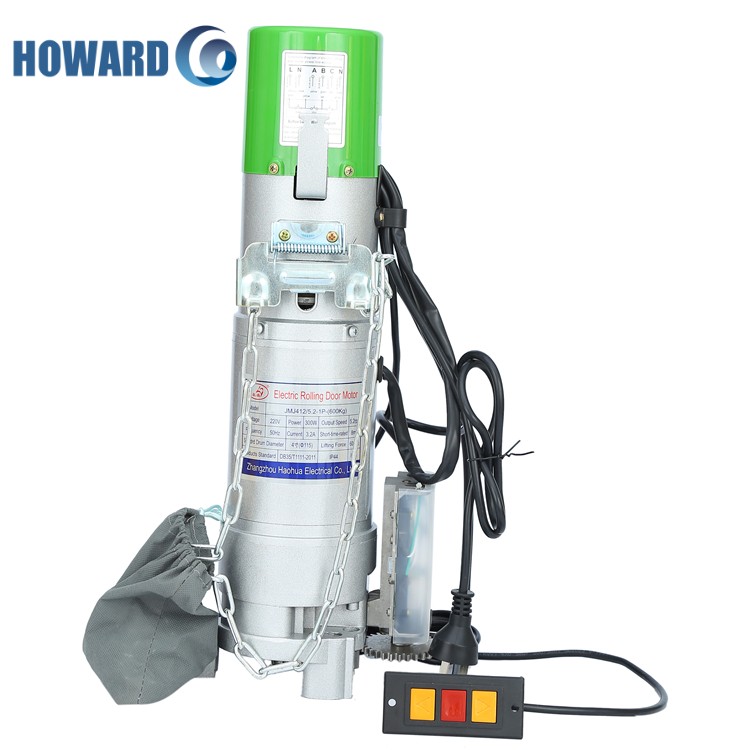
What Defines a High-Torque Shutter Motor and Why It Matters
Key Features of High-Torque Shutter Motors
High-torque shutter motors are engineered for heavy-duty performance, featuring reinforced gear trains and precision-wound armatures capable of handling loads exceeding 1,200 lbs. Unlike standard models, they include dual thermal sensors to prevent overheating during continuous use and maintenance-free brush systems that enhance reliability in high-cycle environments. Critical performance characteristics include:
- Breakdown torque: Sustains up to 400% of rated torque during emergency stops (Electrical Engineering Portal, 2024)
- Locked-rotor torque: Delivers 200% of full-load torque at startup to overcome inertia in large metal shutters
- IP66-rated housings providing protection against dust and high-pressure washdowns
These features ensure reliable operation under extreme mechanical stress, making them ideal for industrial applications.
Torque Ratings and Load Calculations for Industrial Shutters
Accurate torque calculation begins with analyzing shutter dimensions and material density. For a 16 ft 24 ft steel roller shutter weighing 850 lbs, engineers apply the formula:
Required Torque (Nm) = (Shutter Weight Radius Safety Factor) / Gear Ratio
The safety factor for most applications falls somewhere between 1.5 and 2.5, though this can change based on how exposed the equipment is to wind and how often it gets used. Looking at data from the latest Motor Reliability Report released in 2024, around two thirds of all motor failures in factories happen because engineers didn't account properly for those twisting forces that build up when motors reverse direction quickly. When machines run more than 20 times an hour, keeping things cool becomes really important. If the internal temperature of the motor windings goes over 155 degrees Fahrenheit, the insulation starts breaking down about three times faster than normal. This kind of overheating isn't just a theoretical problem either it actually costs companies money through premature equipment replacement and downtime.
The Role of Tubular Electric Motors in Modern Roller Shutters
Tubular electric motors now account for 72% of new commercial installations due to their compact cylindrical design, which integrates directly into shutter barrels. These units achieve high torque densities-up to 15 Nm/kg-through:
- Coaxial magnetic circuits minimizing energy loss
- Sealed planetary gearboxes with 89% mechanical efficiency
- Integrated torque limiters preventing damage during obstruction events
A 2023 market analysis found that facilities using tubular motors experienced a 41% reduction in maintenance costs compared to traditional chain-drive systems, along with 20% faster response times during security breaches.
Engineering Behind High-Torque Performance in Roller Shutter Systems
Matching Motor Power to Shutter Size and Weight Capacity
Getting the right motor means matching its torque output properly with how heavy those shutters actually are. Most industrial shutters weigh over 500 kilograms these days, so the motor needs enough power not just to lift them but also overcome things like wind pushing against them and all that annoying friction from moving parts. According to what most engineers suggest, we should size motors somewhere around 120 to 150 percent of what calculations show is needed. This extra capacity helps when unexpected stuff happens, like parts getting worn down over time or dirt collecting inside mechanisms, something the 2023 material durability study confirmed. If a motor isn't big enough, it'll probably burn out during those really busy moments when everything gets stressed. On the flip side, going way overboard on motor size just burns through electricity needlessly and makes maintenance bills bigger than they should be.
Gearbox Design and Efficiency in High-Load Applications
High torque motors typically rely on either helical or planetary gear systems when it comes to boosting rotational force effectively. The dual stage helical gearbox design manages to hit around 85 to maybe even 92 percent efficiency levels because they generate less heat during operation loads. These gearboxes come with sealed lubrication chambers that really help them last well past 10 thousand cycles, which makes all the difference for places running these systems thirty times or more each day. When dealing with larger shutters measuring over four meters wide, most engineers go with hardened steel gears instead of aluminum ones since aluminum tends to bend or warp over time. Steel just holds up better in these situations and keeps everything working reliably for years without needing replacement.
Thermal Management and Duty Cycles for Continuous Operation
The latest cooling system designs really help keep motor performance steady during those long shifts where they run for eight hours or more each day. Recent research from 2023 using thermal imaging found something interesting about motors built with aluminum casings and those special fin structures. These models stayed significantly cooler, around 40 percent cooler actually, keeping their temps under 65 degrees Celsius while regular motors would get much hotter. When manufacturers combine these better cooling systems with intelligent controllers that automatically cut down torque by about 15% once certain limits are hit, the result is motors that just keep going without stopping even in tough industrial settings where reliability is absolutely critical.
Structural Stress Factors and Long-Term Reliability
Motor longevity in high-stress applications depends on three key elements:
- Bearing material hardness (minimum 60 HRC for industrial use)
- Balanced winding loads in stators
- Vibration damping via anti-resonance mounting
Accelerated wear tests show motors with carburized steel shafts exhibit 72% lower failure rates after five years compared to standard models, demonstrating superior resilience under prolonged stress.
High-Torque vs. Standard Shutter Motors: A Commercial Comparison
Tubular Electric Motor vs. External Drive Motors: Key Differences
Tubular electric motors fit right inside the roller shutter shafts themselves, saving space and making things simpler mechanically when compared to those external drive systems we see so often. These motors can actually produce more than 150 Newton meters of torque thanks to their precision gear reductions, something really important if we're talking about lifting heavy industrial shutters that weigh over a thousand kilograms. Standard external motors work differently though, they need belts or chains to transfer power but these setups typically waste around 20 percent of their energy because of transmission losses according to the latest Material Handling Report from 2024.
Why High-Torque Motors Outperform in Industrial Environments
When it comes to handling heavy workloads, high torque motors stay reliable because they have stronger copper windings inside plus those thermal protection switches that kick in when things get too hot. Most regular motors don't have these safety features at all - around three quarters of them according to that motor failure report from last year. Now brushless DC motors are something else entirely. They manage to keep about 92 percent efficiency even when they're constantly turning on and off, which is way better than old school AC motors that just burn through extra power, wasting roughly 35% more energy overall. Electrical engineers have been looking into this stuff for years now, and their findings point to DC systems cutting down maintenance expenses by somewhere around 40% in places where motors run nonstop day after day.
Case Study: Upgrading Legacy Systems with High-Torque Shutter Motors
A Midwest distribution center replaced 58 aging AC shutter motors with high-torque DC units, achieving:
- 31% faster shutter response times (2.8s vs. 4.1s average)
- 63% reduction in annual maintenance incidents
- 19% energy savings through regenerative braking
Over 18 months, the upgrade delivered a full return on investment within 14 months, with zero torque-related failures despite daily operation of 12-ton security shutters.
Installation, Challenges, and Real-World Performance Issues
Proper Alignment and Mounting for Optimal Shutter Motor Function
Getting the alignment right helps reduce sideways stress on components, particularly important when dealing with motors that have over 2,500 Newton meter torque. Most industry guidelines specify around plus or minus 0.15 millimeters for shaft concentricity. If this gets messed up, gears tend to wear out about 34 percent faster according to research from Ponemon back in 2023. For large shutters measuring more than eight meters across, anti-vibration mounts made with 12mm thick galvanized steel become necessary. The numbers don't lie either many manufacturers see roughly 41% of all warranty issues stemming from poor installation practices in these kinds of industrial setups.
Electrical Integration with Building Automation and Control Systems
For modern high torque motors to work properly with building management systems (BMS), they need to be compatible with either BACnet/IP or Modbus protocols. The latest research coming out in 2024 shows some interesting numbers about installation problems. About 27 percent of all delays happen because there's a mismatch between newer 24 volt motor controllers and older 110 volt BAS systems still in place. That creates real headaches on site. When it comes to protecting against electrical surges, interface modules that can handle peak currents four times their normal rating become absolutely necessary. This is especially true for systems that incorporate regenerative braking technology. These systems tend to produce unexpected back EMF spikes reaching as high as 320 volts, which regular equipment simply isn't built to withstand.
Common Failure Points and How to Avoid Overrated Torque Claims
According to field testing across various industries, roughly one third of those motors labeled as high torque actually fall short during load cycles by around 18 to 22 percent, according to findings published in the Industrial Engineering Journal last year. If we want to avoid these performance issues, there are several steps manufacturers can take. First off, insisting on third party verification against ISO 14617-4 standards makes sense. Installing thermal monitoring devices that shut down operations when winding temps hit 85 degrees Celsius is another smart move. And switching from standard spur gears to helical designs pays dividends too since they handle sudden shocks about 63 percent better. Don't forget regular checks on lubricant quality either. In coastal regions where salt air accelerates wear, about half of all early gearbox failures trace back to oil that's lost its viscosity over time.
Industry Applications and Future Trends in Shutter Motor Technology
Warehousing, Security, and Harsh Climate Applications
Industrial warehouses rely heavily on high torque shutter motors for their loading bays and security systems. These motors handle anywhere between 500 to over 1,500 operations each day while keeping control of massive barriers weighing several tons. They're pretty much necessary when it comes to safeguarding valuable stock. What makes them stand out is their ability to work consistently even in harsh weather conditions. The IP65 rated versions can withstand damp environments near coastlines, and most models function just fine whether temperatures drop to minus 30 degrees Celsius or climb up to 60 degrees. According to recent research in logistics automation, businesses that switched to torque optimized motors saw about a 70% reduction in problems related to their shutters compared to companies still using regular motor types.
Smart Integration: IoT and AI for Predictive Maintenance
Today's shutter motors come equipped with built-in sensors that keep track of things like vibrations, heat levels, and how much electricity they're using. These sensors become really useful when connected to building management systems (BMS). The information collected helps spot problems early on, such as gears starting to wear down or roller positions going off track. Smart computer programs look at how these motors typically behave compared to past failures we've seen before. Maintenance crews can then plan their fixes around 2 to 3 weeks ahead of time instead of dealing with sudden breakdowns. This proactive approach cuts way down on those frustrating unexpected stoppages that cost so much money and hassle.
Energy Efficiency and Next-Gen Innovations in Shutter Motors
New axial flux motor designs from 2024 cut down on energy use by about 40 percent without sacrificing torque output, as shown by standard electromechanical efficiency tests. When those big shutters come down, regenerative braking systems grab around 15 to 20% of the kinetic energy and send it right back into the building's electrical system. Some manufacturers have started testing armatures coated with graphene material that promises to last way longer than before. These coated parts could stay functional for more than a decade even under heavy usage conditions, which represents real progress both in terms of how long they last and their environmental impact.
FAQ
What makes a high-torque shutter motor different from a standard motor?
High-torque shutter motors are designed for heavy-duty use, featuring reinforced gear trains, precision-wound armatures, and dual thermal sensors to prevent overheating. They have higher torque ratings and are built for reliability in industrial settings, unlike standard motors.
How do you calculate the torque needed for industrial shutters?
The required torque is calculated using the shutter's weight, radius, and a safety factor, divided by the gear ratio. Accurate calculations are crucial for preventing motor failures and ensuring efficient operation.
What is the role of tubular electric motors in roller shutters?
Tubular electric motors are popular in commercial installations for their compact design that fits into shutter barrels. They offer high torque densities and reduce maintenance costs by integrating features like coaxial magnetic circuits and sealed planetary gearboxes.
How do high-torque motors improve reliability in industrial environments?
High-torque motors are equipped with stronger copper windings and thermal protection switches, ensuring they can handle heavy loads without frequent failures. This reduces maintenance costs and enhances operational efficiency.
Table of Contents
- What Defines a High-Torque Shutter Motor and Why It Matters
- Engineering Behind High-Torque Performance in Roller Shutter Systems
- High-Torque vs. Standard Shutter Motors: A Commercial Comparison
- Installation, Challenges, and Real-World Performance Issues
- Industry Applications and Future Trends in Shutter Motor Technology
- FAQ